
What this covers
- Why This Water Filter Guide Exists
- Safety and Testing Standards
- 1. Reverse Osmosis Systems: What the Lab Results Actually Showed
- 2. Activated Carbon Filters: The Underrated Workhorse
- 3. Whole House Water Filter Systems: The Math Behind When They Make Sense
- 4. UV and Mineral-Based Filters: Niche Solutions for Specific Problems
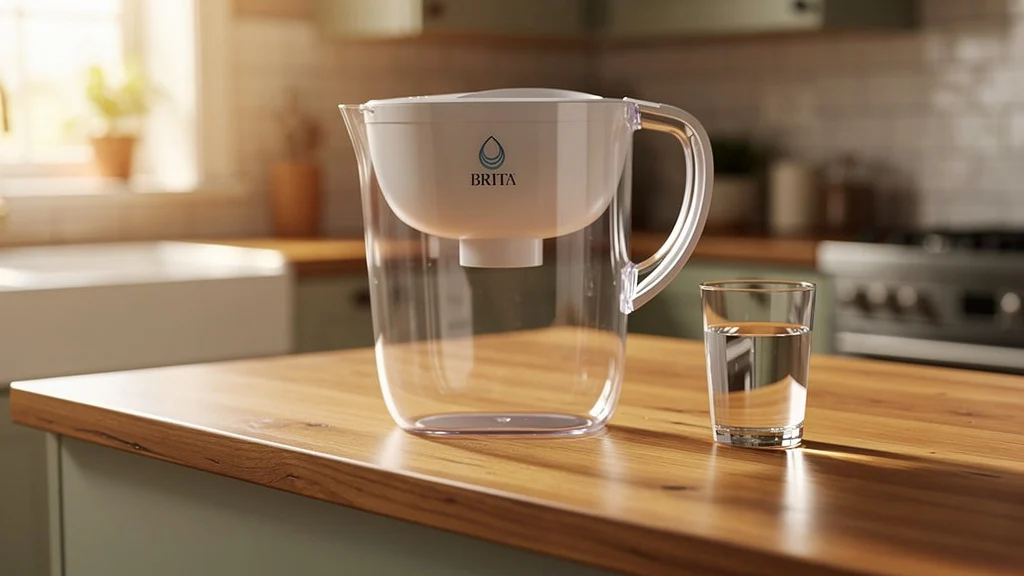
- 5. Pitcher and Faucet-Mount Filters: Convenience vs. Real Contamination Removal
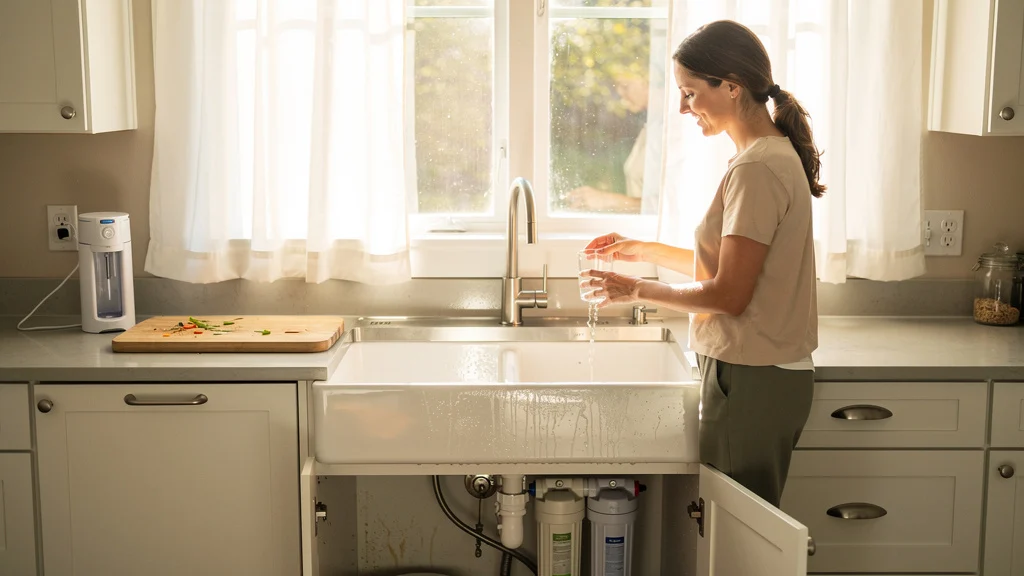
- 6. Countertop and Under-Sink Systems: The Middle Ground Most Homes Actually Need
- 7. Smart Filters and App-Connected Systems: Hype vs. Utility
- Buying Guide: How to Choose Based on Your Water and Budget
- Test Your Water Before You Buy
Why This Water Filter Guide Exists
A 2023 U.S. Geological Survey study found that at least 45 percent of the nation’s tap water is contaminated by PFAS. A 2021 Consumer Reports-Guardian investigation tested 120 locations across the country and found that 118 had detectable amounts of lead, arsenic, or PFAS above recommended maximum levels. Those numbers are not scare tactics — they are the reason we started looking at water filter options in the first place, and why choosing the right water filter matters more than ever.
The problem is not contamination. It is the overwhelming number of products that claim to solve it, most of them marketed with vague promises and zero lab data. We wanted to know what actually works, what the trade-offs are, and what you are paying for beyond the sticker price.
Safety and Testing Standards
NSF and WQA certifications are the only third-party verification that a water filter does what it claims. These organizations test whether a product removes specific contaminants — lead, chlorine, PFAS, microplastics — and certify it to a numbered standard. NSF/ANSI 53 covers health-related contaminants like lead and cysts. NSF/ANSI 42 covers aesthetic issues like chlorine taste and odor.
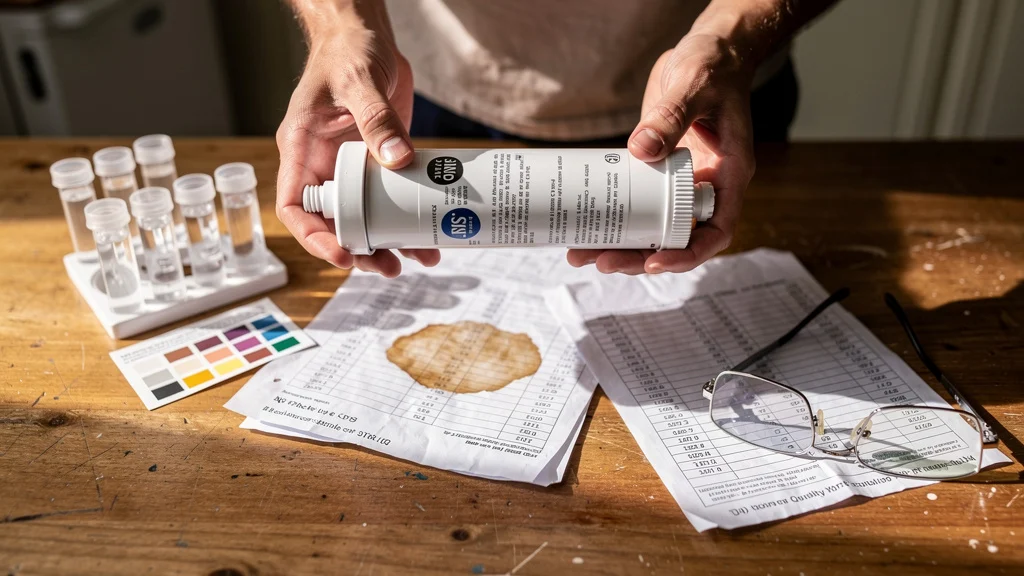
A certification does not mean a water filter removes everything. It means it passed testing for the specific contaminants listed on the certificate. If a product does not carry NSF or WQA certification, you are trusting the manufacturer’s internal testing, which is not independently verified.
1. Reverse Osmosis Systems: What the Lab Results Actually Showed
The APEC ROES-50 Essence Series reduced PFAS, microplastics, lead, and arsenic to undetectable levels in independent lab testing. The system costs $231 upfront, with annual filter replacement costs of $75 regardless of how much water you use. That performance comes with a significant downside: it generates three gallons of wastewater for every gallon of filtered water.
Reverse osmosis works by forcing water through a semi-permeable membrane that blocks contaminants at the molecular level. It is the most effective water filter technology available for removing dissolved solids, heavy metals, and synthetic chemicals. But it also strips out beneficial minerals like calcium and magnesium, which is why some RO systems include a remineralization stage.
The Waterdrop G3P600 costs $539 with annual filter costs of $145, but its tankless design generates a 1:2 wastewater-to-filtered ratio instead of the typical 3:1 or 5:1. That is a meaningful improvement if you live in a drought-prone area or pay high water bills. The trade-off is higher upfront cost and more expensive replacement filters.
Hard water can significantly reduce the lifespan of RO membranes, according to users on water treatment forums. Limescale buildup clogs the membrane and forces the system to work harder, which accelerates wear. If your water is hard, you may need a softener or sediment pre-filter to protect the RO membrane, which adds another layer of cost and maintenance.
RO systems are not plug-and-play. They require under-sink installation, a drain connection for wastewater, and periodic filter changes on a schedule that varies by model. Some filters last six months, others a year, and the membrane itself typically needs replacement every two to three years. If you skip maintenance, performance drops fast.
We think RO makes sense if your water test shows heavy metals, PFAS, or nitrates above safe levels. For general taste improvement or chlorine removal, it is overkill.
2. Activated Carbon Filters: The Underrated Workhorse
Activated carbon is the reason most tap water tastes better after passing through a water filter. It excels at removing chlorine, volatile organic compounds, and the musty flavors that come from algae blooms or old pipes. It does not remove dissolved minerals, heavy metals, or fluoride unless it is paired with another filtration stage.
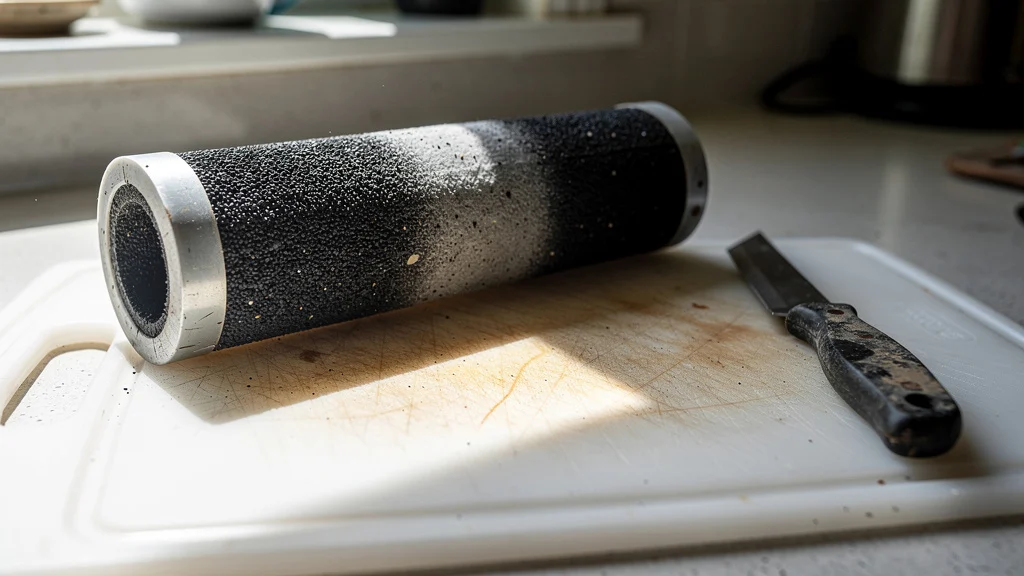
Carbon water filters work through adsorption — contaminants stick to the surface of the carbon as water passes through. The more surface area the carbon has, the more it can trap. Granular activated carbon is cheaper and faster, but carbon block filters have a denser structure that catches smaller particles.
The biggest advantage of a carbon water filter is that it is rental-friendly. Faucet-mount and pitcher models require no installation, and countertop units connect to the tap with a diverter valve. You can take them with you when you move, which is not true of under-sink or whole-house systems.
Lifespan is where carbon filters get tricky. A typical pitcher water filter lasts about 40 gallons, which is roughly two months for a household that drinks and cooks with filtered water. Faucet-mount filters last longer — around 100 gallons — but they slow down flow rate as they age. Once the carbon is saturated, it stops adsorbing contaminants, and you are running tap water through a clogged cartridge.
Carbon water filters are not a solution for serious contamination. They are a practical, low-cost option for improving taste and removing chlorine in homes where the water is already safe but unpleasant to drink.
That chlorine matters beyond taste, too. Chlorinated water can slow the live cultures in fermented foods, which is why every brine on this site, from our homemade sauerkraut to vegetarian kimchi, starts with filtered water. The same goes for rinsing sunflower sprouts — your water filter is quietly behind half of this kitchen.
3. Whole House Water Filter Systems: The Math Behind When They Make Sense
Whole house water filter systems treat every drop of water that enters your home — showers, laundry, toilets, and taps. The upfront cost ranges from $500 for a basic sediment and carbon system to $3,000 or more for a multi-stage setup with softening and UV sterilization. Annual filter replacement can run $200 to $600 depending on the system and your water usage.
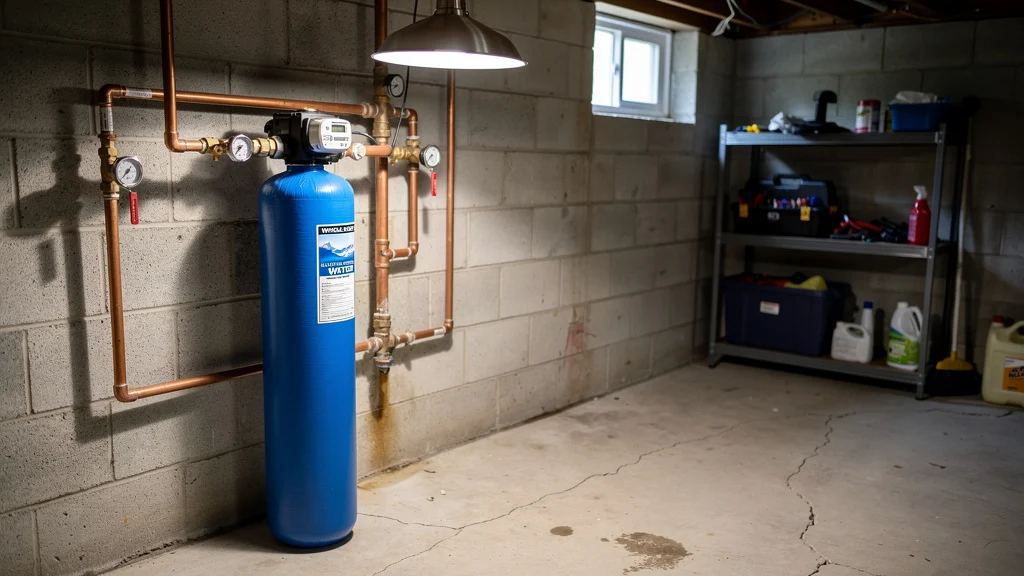
The math only works if you have a specific problem that affects your entire water supply. Hard water that leaves scale on fixtures and appliances. Sediment that clogs faucet aerators and shortens the life of water heaters. Sulfur smell that makes every shower unpleasant.
For most households, a whole house water filter system is overkill. You do not need to filter water that goes to the toilet or the washing machine unless sediment is damaging your plumbing. A point-of-use filter under the kitchen sink handles drinking and cooking water for a fraction of the cost.
Plumbers report that whole house water filter systems make sense in rural areas with well water that has high iron, manganese, or sediment. In those cases, untreated water can stain fixtures, clog pipes, and reduce the lifespan of appliances. A whole house sediment filter paired with a softener solves those problems before they reach your faucets.
4. UV and Mineral-Based Filters: Niche Solutions for Specific Problems
UV water filters kill bacteria, viruses, and protozoa by exposing water to ultraviolet light, which damages their DNA and prevents reproduction. They are effective against microbiological contamination but do nothing for chemicals, heavy metals, or sediment. If your water test shows E. coli or coliform bacteria, a UV water filter is the right tool. If it shows lead or PFAS, UV will not help.
Mineral filters add calcium, magnesium, or alkaline minerals back into water after reverse osmosis or distillation. Some people prefer the taste of remineralized water, and there is evidence that mineral content affects how water hydrates the body. But mineral filters do not remove contaminants — they only adjust the composition of already-filtered water.
UV systems require electricity and a clear quartz sleeve that needs periodic cleaning. If sediment or hard water scale clouds the sleeve, UV light cannot penetrate, and the system stops working. Most UV units are installed as a final stage after sediment and carbon filtration to make sure the water entering the chamber is clear.
These are not general-purpose filters. They solve specific problems that other technologies cannot address, and they work best as part of a multi-stage system.
5. Pitcher and Faucet-Mount Filters: Convenience vs. Real Contamination Removal
The PUR PLUS 11-Cup Pitcher removed nearly 100 percent of lead, arsenic, PFAS, and microplastics in independent lab testing. It costs $40 upfront, with annual filter replacement costs of $108 for 40 gallons per month or $432 for 160 gallons per month. The catch is that it took about 30 minutes to filter a gallon of water, which is slower than most filters.
The Culligan ZeroWater pitcher removed 100 percent of every contaminant detected in lab samples using a single ion-exchange filter cartridge, with no reverse osmosis water waste. But the filter has only a 20-gallon capacity, which means a replacement cost of 90 cents per gallon. That is higher than most under-sink systems and far higher than whole-house options.
Pitcher and faucet-mount filters are marketed as universal solutions, but their effectiveness varies wildly by model. Some remove lead and PFAS. Others only remove chlorine and improve taste. The difference is not always clear from the packaging, which is why NSF certification matters.
We think these filters are better than nothing, but they are often marketed beyond their capability. A $25 pitcher is not going to perform like a $500 reverse osmosis system, no matter what the box says. If your water test shows serious contamination, a pitcher is not the answer. If you want to improve taste and remove chlorine, it is a low-cost starting point.
The Amazon Basics 10-Cup Pitcher costs around $26 with annual upkeep costs of approximately $50, which makes it one of the cheapest options available. But cheap filters often mean frequent replacements, and the cost per gallon can end up higher than a more expensive system with longer-lasting cartridges.
6. Countertop and Under-Sink Systems: The Middle Ground Most Homes Actually Need
The AquaTru Carafe countertop reverse osmosis system removed 100 percent of all health-related contaminants in lab testing, including fluoride, nitrate, uranium, and barium. It costs $359 and has a 4:1 recovery rate, wasting much less water than conventional RO systems that waste up to four gallons per gallon purified. The trade-off is that it sits on your counter and requires manual filling, which is less convenient than an under-sink system with a dedicated faucet.
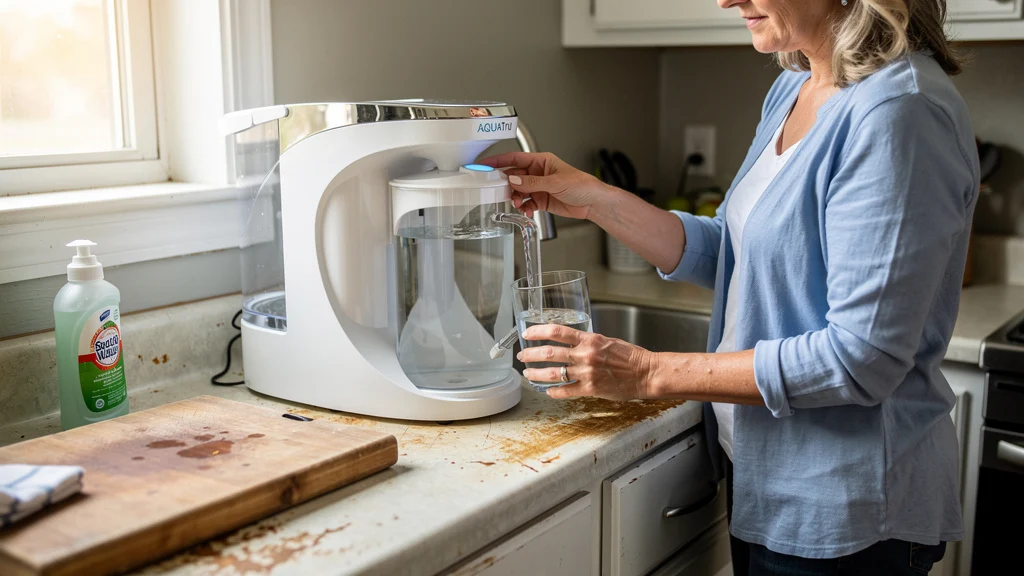
The Waterdrop A1 countertop RO system costs $650 and completely eliminated uranium and fluoride detected above health guideline levels in testing. It dispenses hot, cold, and ambient purified water and has annual filter costs of approximately $130, with a cost per gallon of 27 cents. That is more expensive than a basic pitcher but cheaper than bottled water over time.
Under-sink water filter systems require more installation effort — drilling a hole for a dedicated faucet, connecting to the cold water line, and routing a drain line for wastewater if it is an RO system. But once installed, they are out of sight and provide filtered water on demand without taking up counter space.
The iSpring RO5004FAK reverse osmosis water filtration system works effectively for home water filtration needs, according to users who report successful installation and operation. It is a mid-tier option that balances cost, performance, and maintenance without the premium features of higher-end models.
Countertop and under-sink systems are the middle ground most homes actually need. They provide better filtration than pitchers, cost less than whole-house systems, and do not require professional installation. If your water test shows moderate contamination or you want reliable filtration without the hassle of refilling a pitcher, this is where we would start.
7. Smart Filters and App-Connected Systems: Hype vs. Utility
Smart water filters track filter life, send replacement reminders, and monitor water quality in real time through a smartphone app. Some models display total dissolved solids or flow rate, which can help you spot problems before they affect taste or safety. The question is whether those features are worth the extra cost and the data collection that comes with them.
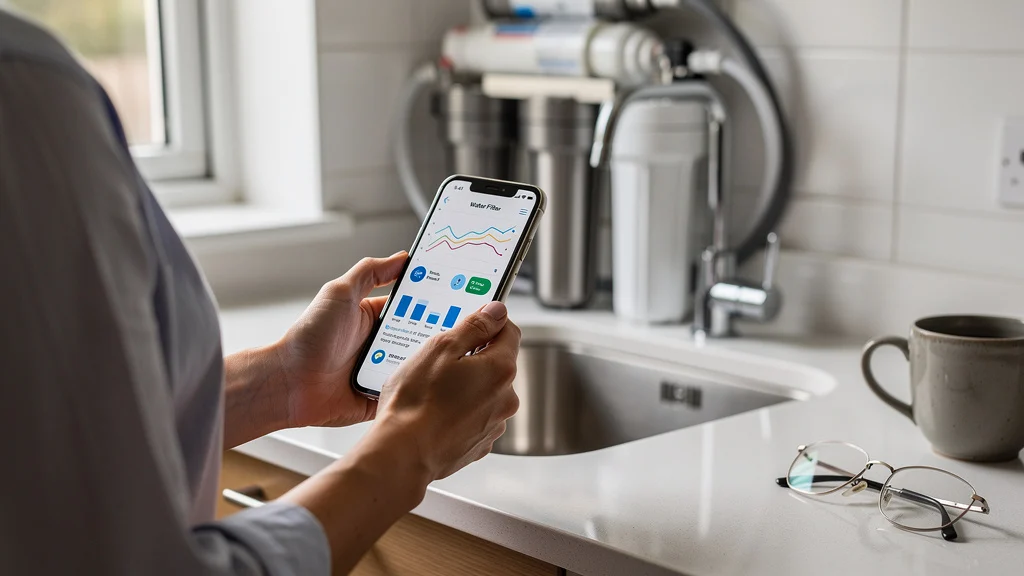
The real benefit is replacement reminders. Most people forget to change filters on schedule, and a clogged water filter stops removing contaminants even if water still flows through it. An app that tells you exactly when to replace the cartridge eliminates guesswork and ensures the system keeps working as designed.
The marketing angle is data collection. Some manufacturers use app connectivity to track your water usage, filter performance, and even location data. That information is valuable to them, but it is not clear how it benefits you beyond the replacement reminder you could get from a calendar alert.
We think smart features are useful for people who want to monitor water quality or who forget routine maintenance. For everyone else, they are unnecessary complexity. A filter-life indicator light does the same job without requiring an app, a Wi-Fi connection, or a privacy policy.
Buying Guide: How to Choose Based on Your Water and Budget
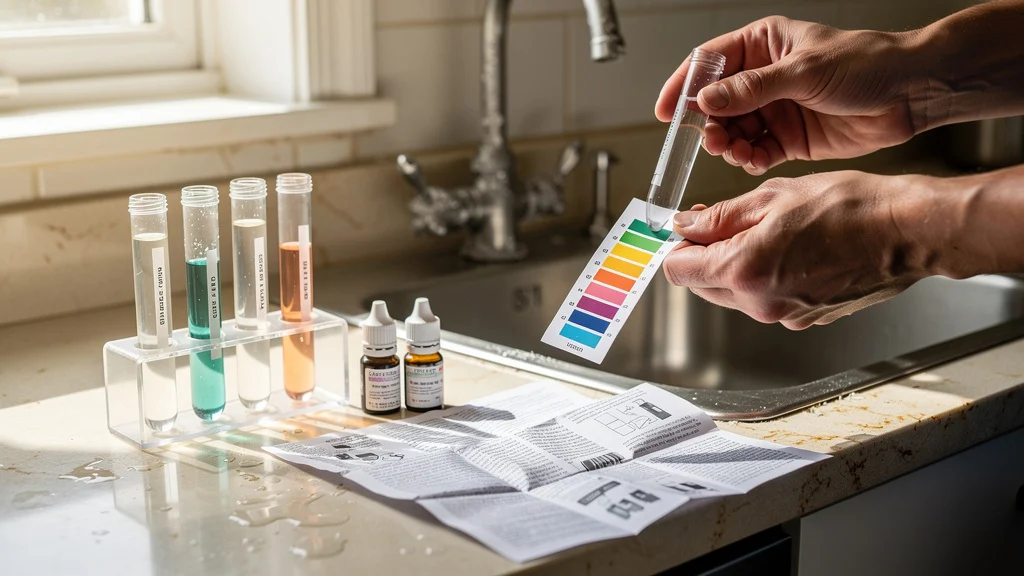
Start with a water quality test. Free or low-cost test kits are available from municipal water suppliers, and independent lab testing costs $50 to $150 depending on how many contaminants you test for. Without a test, you are guessing at what you need to remove.
If your test shows heavy metals, PFAS, or nitrates, reverse osmosis is the most effective option. Budget $200 to $650 depending on whether you choose an under-sink or countertop model, plus annual filter costs of $75 to $145.
If your water tastes bad but tests safe, an activated carbon water filter will handle chlorine, volatile organic compounds, and odor for $25 to $100 upfront and $50 to $200 per year in replacement filters.
If you have hard water, sediment, or sulfur smell throughout your home, a whole house water filter system makes sense. Budget $500 to $3,000 upfront and $200 to $600 per year for maintenance. For most households, this is overkill.
If you rent or move frequently, stick with pitcher, faucet-mount, or countertop filters that do not require installation. They are less effective than under-sink or whole-house systems, but they are portable and reversible.
Test Your Water Before You Buy
The most important step is the one most people skip: testing your water before you buy a filter. A $50 lab test will tell you exactly what contaminants you need to remove, which saves you from spending $500 on a system that does not address your actual problem.
Brand reputation does not matter if the filter is not designed to remove what is in your water. A reverse osmosis system is wasted money if your only issue is chlorine taste. A carbon pitcher is useless if your water has lead.
Get a water quality test. Match the water filter to the contaminants. Replace the cartridges on schedule. That is the only way to know your water filter is actually working.