
What this covers
- The Core Powder Recipe
- The Liquid Homemade Laundry Detergent for Cold Water
- The Borax-Free Alternative
- The Concentrated Powder for Heavy Soil
- The Oxygen Booster Addition for Whites
- What the Cost Comparisons Miss
- The Residue Debate and What to Do About It
- When Homemade Is Not the Answer
- How We Use and Store Our Batches
- The Real Savings and the Real Work
The debate over homemade laundry detergent is loud, contradictory, and mostly unhelpful. Some corners of the internet insist homemade laundry detergent saves hundreds of dollars a year and cleans as well as anything on the shelf. Others claim it leaves residue, ruins machines, and barely lifts stains. Both sides are partly right, which is exactly the problem.
We think the real issue is simpler: most recipes are too diluted to do much, and most comparisons pit a weak homemade batch against premium commercial detergent at full dose. That is not a fair fight. When the ingredient ratios are correct and the expectations are realistic, homemade laundry detergent works. When they are not, it does not.
What follows are five recipes that address the common failures. Some are powder, some liquid. All use ingredients you can buy in one trip, and all cost less than seven cents per load when the math is honest.
The Core Powder Recipe
This is the version most people start with, and for good reason.
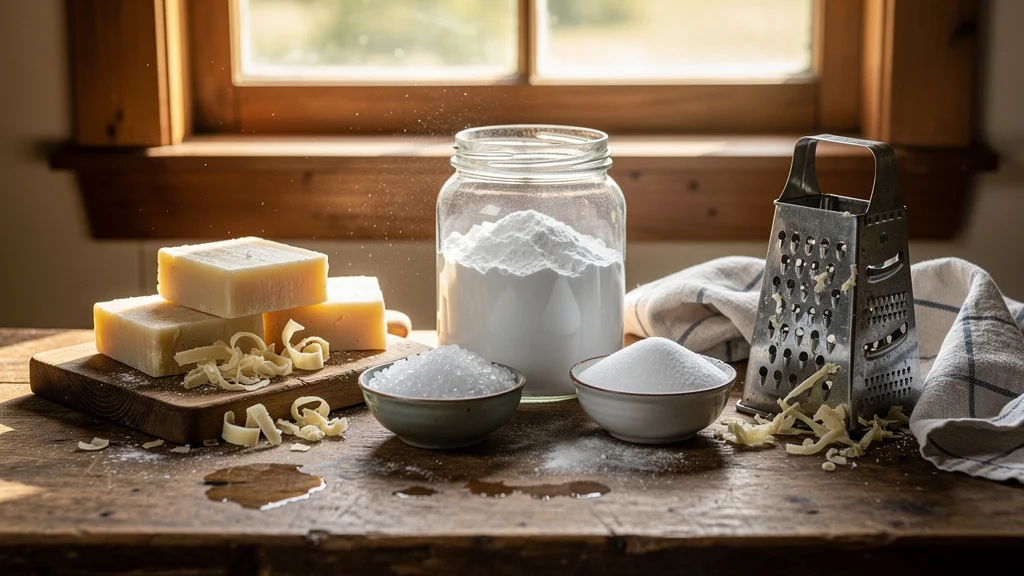
One bar of grated soap, one cup of washing soda, and one cup of borax. That is it. According to one detailed cost breakdown, this combination yields roughly 56 tablespoons and costs between three and four cents per load. Use one to two tablespoons per load, depending on soil level and water hardness.
The soap matters more than most recipes admit. Fels-Naptha and Zote are the usual recommendations, but one analysis points out that both rate a C on the Environmental Working Group scale and contain artificial fragrance, dye, and petroleum products. We are not saying avoid them entirely, but if you are making homemade laundry detergent to escape those ingredients, starting with a bar full of them defeats the purpose. A plain castile bar or unscented laundry bar is a better foundation.
Grate the soap fine. A food processor works faster than a hand grater, and the finer the particles, the better they dissolve. Store the finished powder in an airtight glass jar. It does not clump, it does not separate, and a single batch lasts months.
The Liquid Homemade Laundry Detergent for Cold Water
Powder does not always dissolve well in cold water, especially in high-efficiency washers that use less water to begin with.
For a liquid formula, grate one bar of soap and dissolve it in four cups of boiling water, stirring until it melts completely. Add one cup of washing soda and one cup of borax, stir until dissolved, then pour the mixture into a five-gallon bucket and fill it with hot water. Let it sit overnight. The result is a thick gel that you shake before each use.
Use half a cup per load. One blogger who has used this recipe for three years reports no problems with washing machine performance or laundry cleanliness, provided the ingredients are correct and white vinegar is added to the rinse cycle. That vinegar step is not optional if you have hard water. It breaks down soap residue that would otherwise build up on fabric and in the machine.
The liquid version takes more storage space and more time to make, but it works better for stain treating. You can apply it directly to a collar or cuff before the wash, which powder cannot do.
The Borax-Free Alternative
Some people avoid borax. The reasons vary, from skin sensitivity to concerns about its safety rating, and we are not here to settle that argument.
One borax-free option uses two tablespoons of Sal Suds with a quarter cup of baking soda or two tablespoons of washing soda added at the beginning of the wash cycle. For an extra boost, add a quarter to half cup of white vinegar to the rinse cycle to help prevent clothes from pilling. This formula is low-suds by design, which makes it safe for high-efficiency washers.
The trade-off is convenience. You are adding ingredients at two different points in the cycle instead of pouring one premixed dose. That is fine if you are home and attentive. It is annoying if you are not.
The Concentrated Powder for Heavy Soil
Most homemade laundry detergent recipes are too weak.
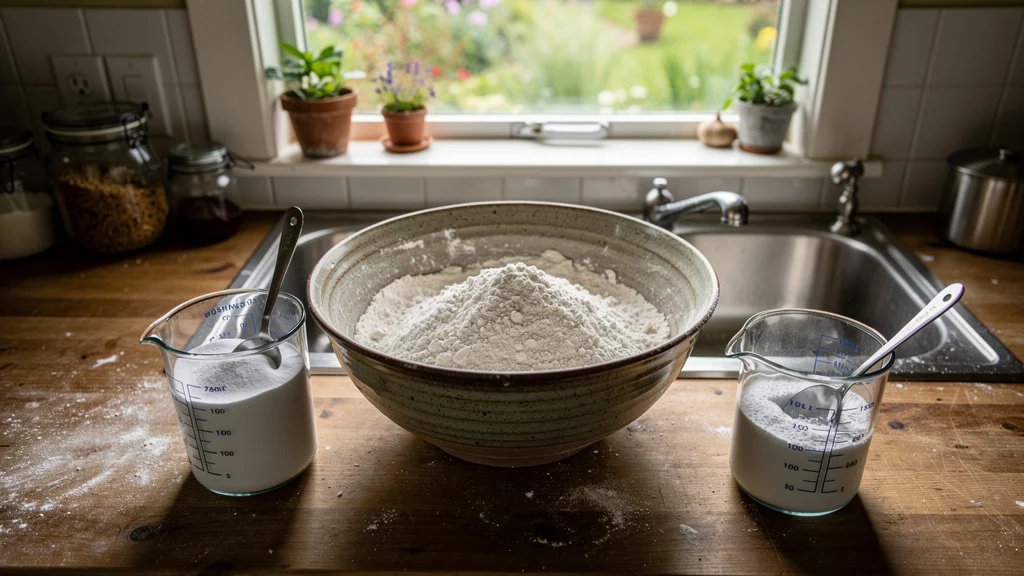
One analysis found that a popular recipe with only half a cup of borax and half a cup of washing soda in 21 cups of water provides less than one teaspoon of active ingredients per load. Meanwhile, manufacturers recommend an eighth of a cup of washing soda and half to three-quarters of a cup of borax per high-efficiency load. That is a huge gap.
For a stronger powder, double the washing soda and borax in the core recipe: one bar of grated soap, two cups of washing soda, two cups of borax. Use the same one to two tablespoons per load. The cost per load rises slightly, but it is still well under ten cents, and the cleaning power is noticeably better on work clothes, towels, and anything that sees real dirt.
One side-by-side test comparing homemade laundry detergent to Tide and Arm & Hammer on stained white T-shirts found that Arm & Hammer performed best overall, but the homemade version at seven cents per load performed similarly to Arm & Hammer at the same price point. Doubling the homemade detergent amount brought the cost to 14 cents per load, which is still cheaper than Tide powder at 22 cents per load.
The Oxygen Booster Addition for Whites
If you wash a lot of whites, add one cup of oxygen booster to any of the powder recipes above.
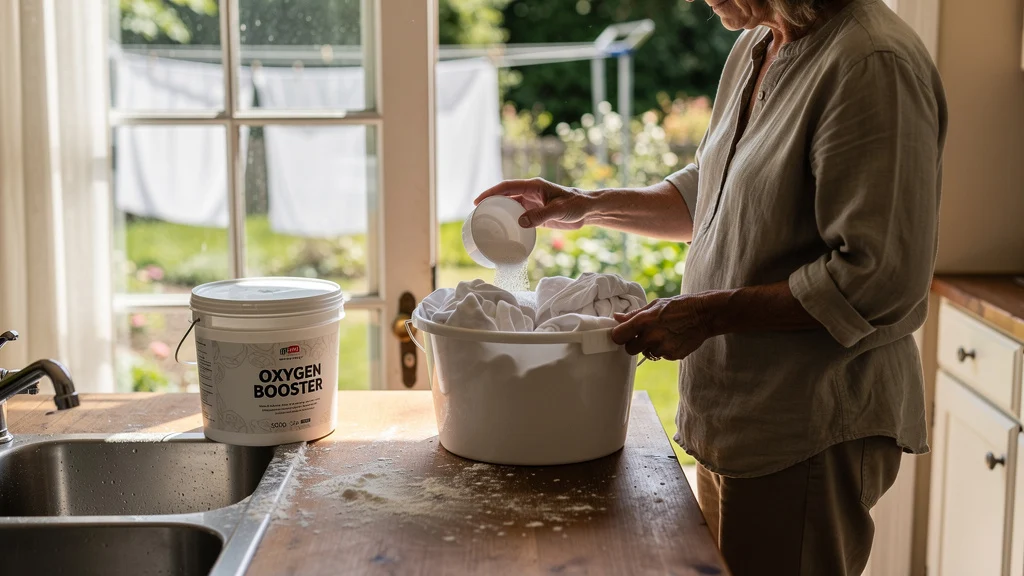
This is not the same as chlorine bleach. Oxygen boosters use sodium percarbonate, which breaks down into hydrogen peroxide and soda ash in water. It lifts stains and brightens fabric without the harshness or the smell. You can buy it as OxyClean or as generic oxygen booster, and the generic version costs less.
Mix it into the dry powder before storing, or add it separately at the start of the wash. Either way works. The oxygen booster does not replace the washing soda or borax; it supplements them. For white loads, use the full recipe plus the booster. For colors, skip the booster or cut it in half.
What the Cost Comparisons Miss
The math on homemade laundry detergent is messier than most articles admit.
One user reported making a batch that yielded over 400 loads for approximately $15 in total ingredient costs, which works out to less than four cents per load. Another comparison found homemade laundry detergent at nine cents per load versus 11 cents for store-bought. A third analysis pegged Arm & Hammer Mega Value at seven cents per load for 170 loads, while homemade detergent cost seven cents per load when making 320 loads from $23.63 in ingredients.
The variation comes from three things: ingredient prices, which fluctuate by region and retailer; the recipe itself, since a concentrated version costs more per batch but lasts longer; and the dose, since one person’s tablespoon is another person’s heaping scoop. One experienced maker stopped using the provided measuring cup entirely because manufacturers label them to encourage using more product than necessary. That applies to homemade laundry detergent, too. Start with one tablespoon and increase only if the clothes are not clean.
Commercial detergent has its own math problems. One detailed analysis of Tide Ultra powder packaging revealed that a 143-ounce box advertises 102 medium loads, but following the scoop’s first line marking—five tablespoons, or 2.5 ounces—only provides 57.2 loads, not 102 as advertised. The advertised load count assumes you use far less than the scoop suggests, which almost no one does.
The Residue Debate and What to Do About It
Multiple users report that homemade laundry soap can build up on clothes and does not completely rinse off, potentially encouraging bacterial growth. This is the most common complaint, and it is not entirely wrong.
Soap and detergent are not the same thing. Soap is made from fats and lye. Detergent is a synthetic surfactant designed to rinse cleanly in all water conditions. Most homemade recipes use soap, which means they behave like soap: they leave residue in hard water, they do not dissolve well in cold water, and they can build up over time if you use too much.
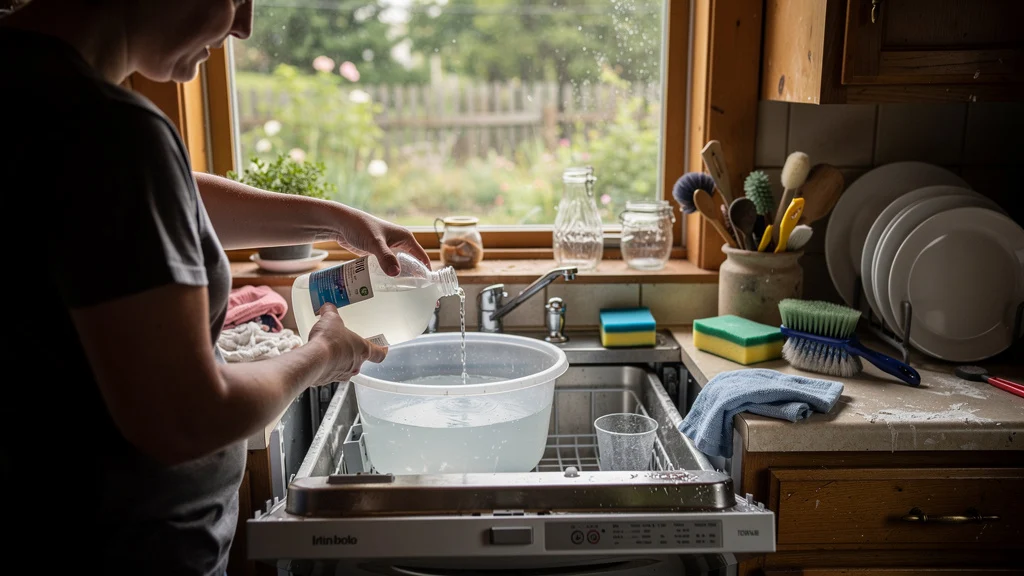
The solution is not to abandon homemade laundry detergent. It is to use less, add vinegar to the rinse cycle, and wash in warm or hot water when possible. One blogger who has used homemade laundry detergent for three years with no problems fills the fabric softener dispenser to the top with half to one cup of white vinegar per load, which naturally breaks down soap residue that can form in hard water. That step alone solves most of the buildup complaints.
High-efficiency washers add one more wrinkle. The main concern is creating too many suds, so low-suds soap or detergent is required. The homemade recipes here are low-suds by definition, and one source reports that dozens of readers have used them in high-efficiency washers with no problems. Front-loading machines need their door seal left open between washes to prevent mold and mildew growth, and the soap dispenser drawer should also be left open. That is a simple fix for a common issue that gets blamed on the detergent when it is really a ventilation problem.
When Homemade Is Not the Answer
Some people turn to homemade laundry detergent out of necessity due to severe allergies to commercial formulas. One user reported being extremely allergic to most laundry detergents and needing to find alternatives after a previously safe commercial formula changed. For that situation, making your own detergent with known ingredients is not cheaper; it is safer.
But if you are chasing the absolute best stain removal, homemade laundry detergent is not going to beat a premium enzyme formula. Enzymes break down protein stains—blood, sweat, food—in ways that soap, washing soda, and borax cannot. You can add enzymes to a homemade batch, but at that point you are buying specialty ingredients and the cost advantage shrinks.
Natural commercial laundry detergents that are considered safe alternatives range from $14 to $15, which is triple the cost of conventional detergents. That price difference motivates some users to make homemade versions using safer ingredients. We think that is a reasonable trade-off if you have the time and the interest. If you do not, buy the commercial version and move on.
How We Use and Store Our Batches
We keep two versions on hand: the core powder recipe for regular loads and the concentrated powder for anything that needs extra cleaning power.
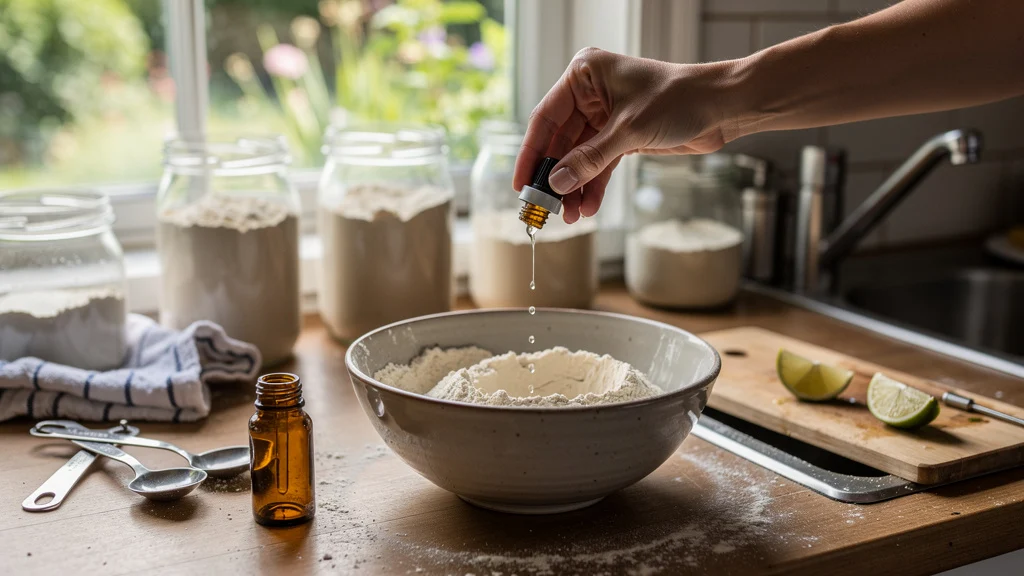
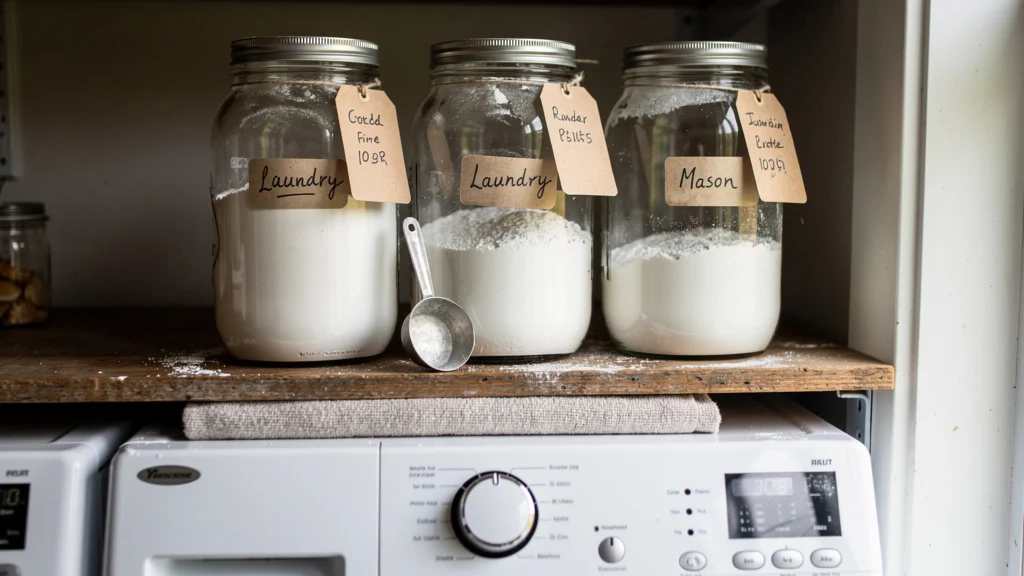
Both live in wide-mouth glass jars with airtight lids, stored on a shelf above the washer. We use one tablespoon for light loads, two for heavy soil, and we add half a cup of white vinegar to every rinse cycle without exception. That vinegar step is as important as the detergent itself, especially in our hard water.
Customizing the scent is one advantage of making homemade laundry detergent that we actually use. Twenty drops of lemon or lime essential oil mixed into the dry powder before storing adds a light, clean smell without the synthetic fragrance load that most commercial detergents carry. We skip the scent boosters entirely. Products like Gain Fireworks and Downy Unstopables rate D or F on safety scales and contain oily polymers that coat laundry. If you want scent, use essential oils. If you want soft fabric, use vinegar. Both are cheaper and cleaner.
The Real Savings and the Real Work
Making homemade laundry detergent saves money, but not as much as the most enthusiastic posts claim, and not without effort.
A realistic cost per load is between four and seven cents for the basic powder recipe, compared to seven cents for budget commercial detergent and 22 cents for premium powder. Over a year, that is $15 to $30 in savings for a household doing six loads a week. Not life-changing, but not nothing.
The work is minimal once you have made a batch or two. Grating a bar of soap takes ten minutes. Mixing the powder takes two. A single batch lasts us three months. The liquid version takes longer to make and requires more storage space, but it is still faster than a trip to the store.
The real benefit is control. We know exactly what is in the detergent, we can adjust the strength for different loads, and we are not paying for packaging, marketing, or shelf space. That matters more to us than the dollar savings, but the dollar savings are real.
If you are looking for a homemade laundry detergent recipe that actually cleans, start with the core powder formula. Use one to two tablespoons per load, add vinegar to the rinse cycle, and adjust from there. If it works, keep making it. If it does not, you are out $5 in ingredients and you learned something useful about your water, your washer, and what your laundry actually needs.


