


Learning how to make homemade sauerkraut was one of those skills I put off for years because I assumed it needed special equipment, starter cultures, or some kind of fermenting wizardry. It needs none of that. A jar, a cabbage, and salt will get you a batch of crunchy, sour, probiotic-rich kraut, and if you have ever wanted to make your own, you have landed in the right place.
What is sauerkraut?
Sauerkraut is fermented cabbage. That is the whole definition, and the simplicity is the point. You shred cabbage, salt it, pack it down, and the salt pulls water out of the leaves to make a natural brine. The good bacteria that were already on the cabbage go to work, the bad bacteria get crowded out, and within days the cabbage turns sour, crisp, and alive.
The name comes from the German words for sour and cabbage, and that is the version most of us grew up with. But salted fermented cabbage shows up all over the world, from Korea’s kimchi to China’s suan cai. Gut health has become a trend lately, which is nice to see, though honestly, humans were eating their helpful bacteria with every meal for a very long time before it was fashionable.

Why sauerkraut is worth your time
I will not oversell it. Every batch varies, so pinning down exact nutrient numbers is tricky. What is easy to say is that sauerkraut is packed with vitamins, minerals, and live probiotics, it costs about the price of a cabbage to make, and it keeps for months in the fridge. A healthy digestive system does a lot of quiet work for your overall well being, and this is one of the cheapest, tastiest ways to feed it.
It is also one of those rare kitchen projects the kids can genuinely join. Massaging cabbage is basically sanctioned food play.
What you need to make sauerkraut at home
The basics first, then the optional helpers:
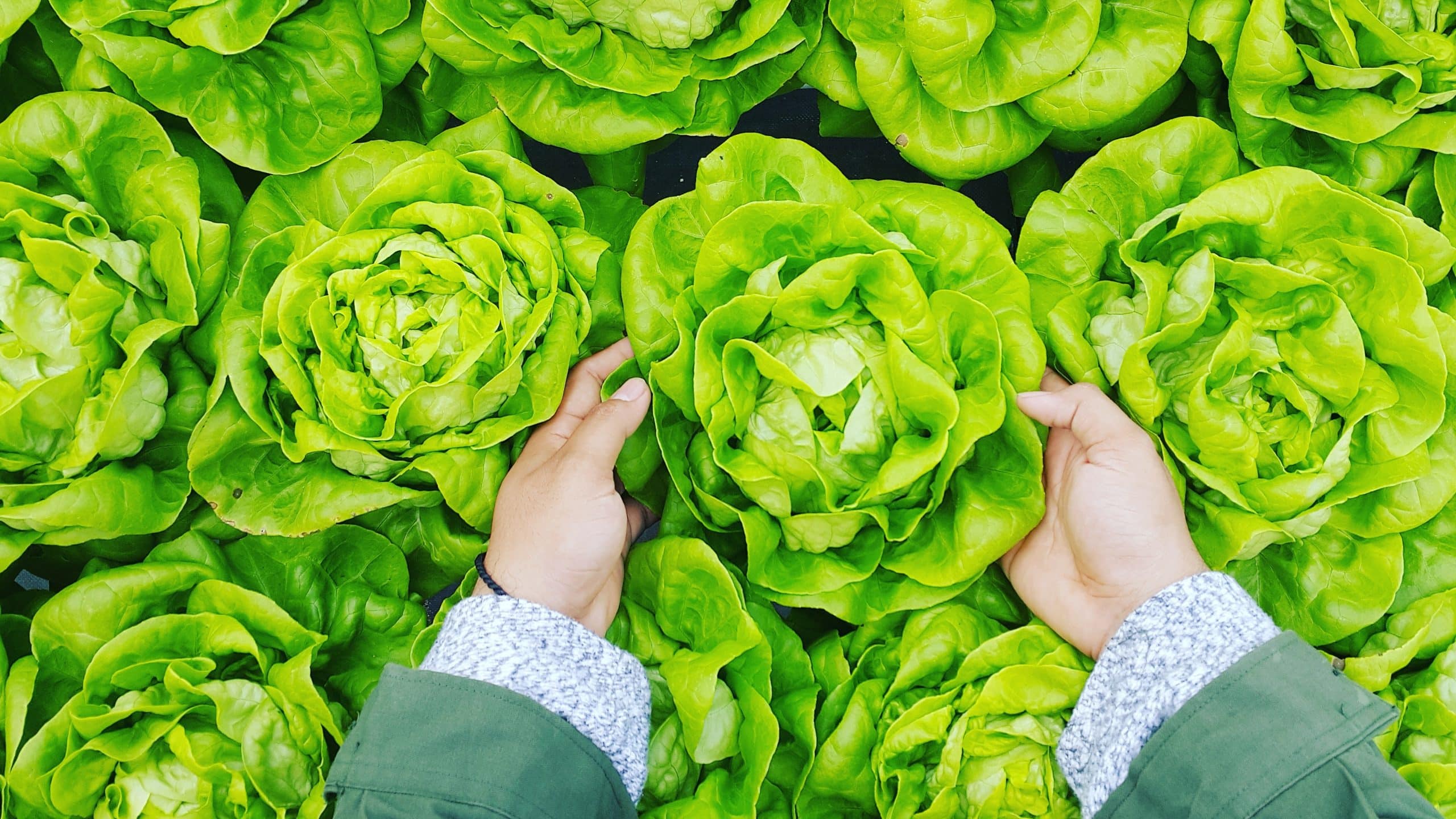
- Fresh cabbage, purple or green or both. Fresh matters: the fresher the cabbage, the more liquid it gives up.
- Non-iodized salt. Iodine can interfere with the ferment, so use sea salt or canning salt.
- A 1 liter wide mouth glass jar with a lid. Wide mouth matters when you are packing and pressing.
- A large knife or a mandolin slicer.
- A large mixing bowl.
Optional, but each of these earns its spot:
- Fermenting weights, to hold everything under the brine
- Fermenting lids, which let gas out without letting oxygen in
- A tamping tool, for packing the jar without fighting it
Preparation time: 10 minutes
Total time: 20 minutes of work, plus fermenting days
Servings: about 4
How to make homemade sauerkraut, step by step
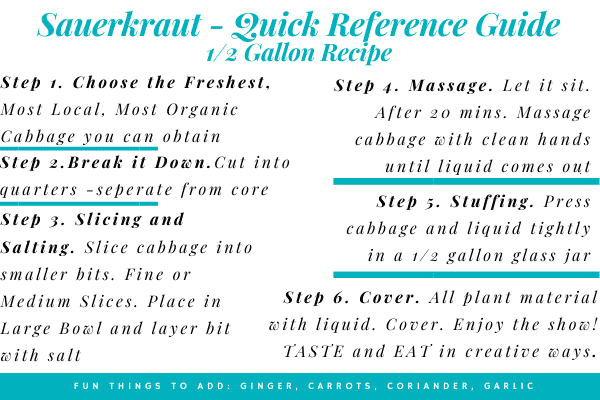
Prepare the cabbage
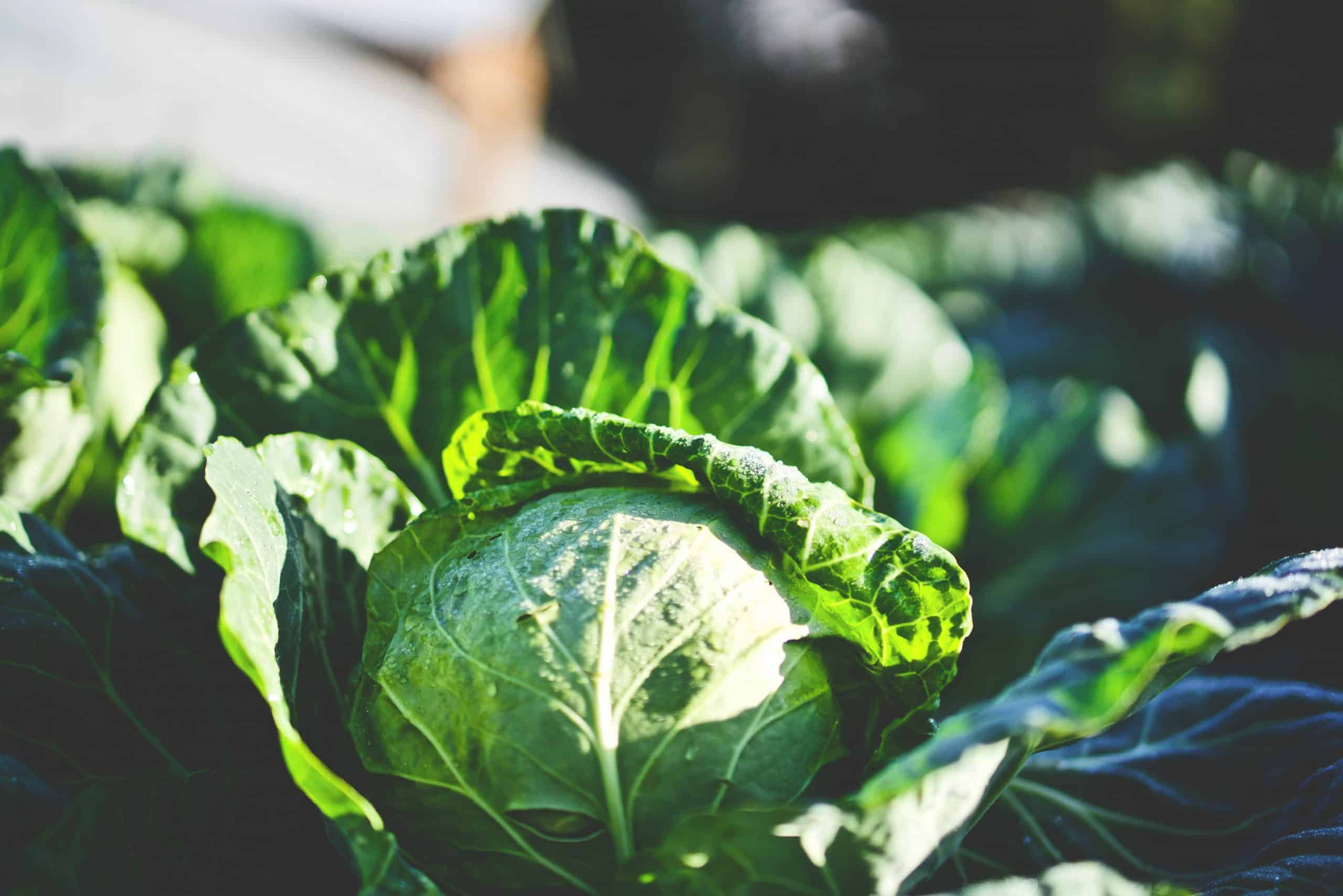
- Pull off any outer leaves that look rough. Set one of the nicer ones aside; you will use it later.
- Slice the cabbage fine. A knife works, but we prefer this mandolin slicer, because it takes a lot less elbow grease and the slices come out even. The finer you slice, the faster the ferment, since more cut surface means more brine released.
- Add a layer of cabbage to your big bowl, sprinkle salt over it, then another layer of cabbage and more salt. Repeat until you are out of cabbage.
- Let it sit 5 to 15 minutes and give the salt time to start pulling water out of the leaves.
Massage it
Now the fun part. Grab handfuls of cabbage and squeeze them like you are wringing out a big sponge. Keep going. As the cabbage softens you will see juice pooling in the bottom of the bowl, and that juice is your brine. This is the good stuff.
Keep massaging until the cabbage is soft and limp, closer to the texture of something lightly steamed, and the volume has dropped by roughly half. If you used coarse salt, it should be fully dissolved by now. Taste a pinch: if the sharp raw-cabbage bite has mellowed, you are done.
Pack your jar
Start packing the jar a handful at a time. Press each handful down firmly to push the air out; you can use your fist, a utensil, or a dedicated tamper. This is where a wide mouth jar pays for itself. Pour any remaining brine from the bowl over the top, and stop an inch or two from the rim to leave room for expansion.

Keep it all under the brine
Everything above the brine molds; everything below it ferments. So after packing, you need the plant matter fully submerged. Three ways to do it:
Nature’s way: fold up that cabbage leaf you set aside and press it into the jar so it holds everything down under the liquid.
The cheap and easy way: fill a small plastic sandwich bag partway with water, press the air out, and nestle it into the jar on top of the cabbage.
The nice-inventions way: glass fermentation weights are affordable, tidy, and made for exactly this job.
Lid options
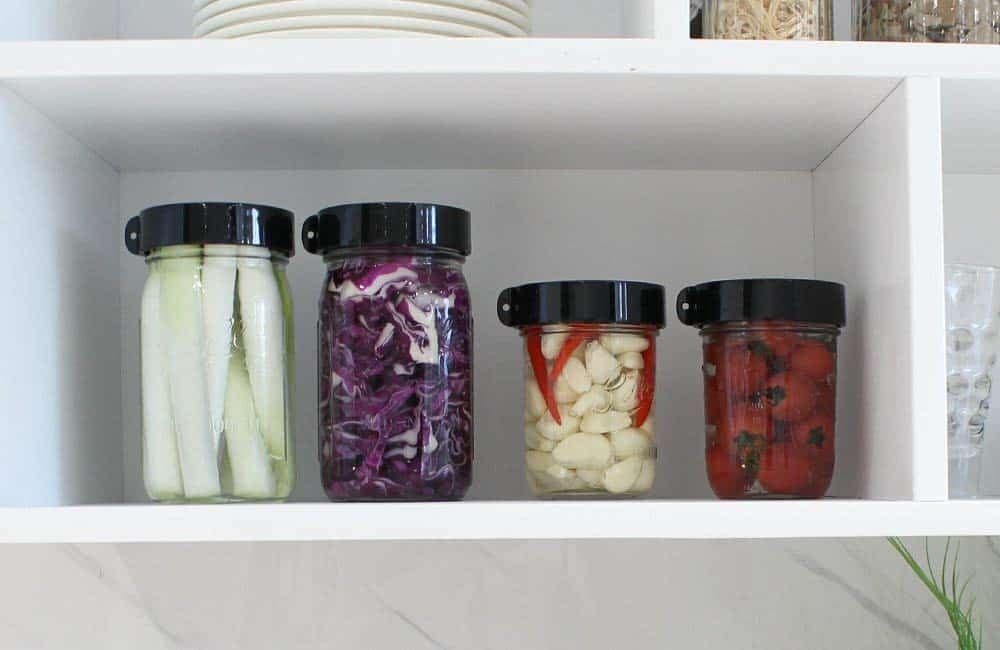
The plain jar lid works fine with one of two habits: keep it loose so gas can escape, or tighten it and “burp” the jar once or twice a day by cracking the lid.
Prefer to forget about it? Cover the mouth with cheesecloth held by a rubber band, which lets gas out and keeps dust out. Or use airlock or vacuum lids, which vent CO2 while keeping oxygen away from your ferment. We use these on most jars now because they make the process nearly foolproof.


The patient part
- Lid on, jar on the counter at room temperature, out of direct sunlight.
- Watch it. Bubbles climbing the jar over the next days are the ferment working, and every batch bubbles differently.
- After 3 or 4 days, taste it. If you like it, it is done. Strain and eat, or refrigerate.
- Not sour enough yet? Let it go longer. Fermenting time shifts with room temperature, batch size, and your own taste.
- Once it is where you want it, the refrigerator slows everything down. In our house it gets eaten long before it could ever go bad.
A few facts worth knowing about fermenting
- This style of fermentation is called lactic acid fermentation, or lactofermentation.
- As lactic acid builds up, the microorganisms that spoil food get killed off. The good bacteria win.
- Your taste buds will train up as you ferment more. Batches you find pleasantly sour now will taste mild in a year.
Fermenting pottery
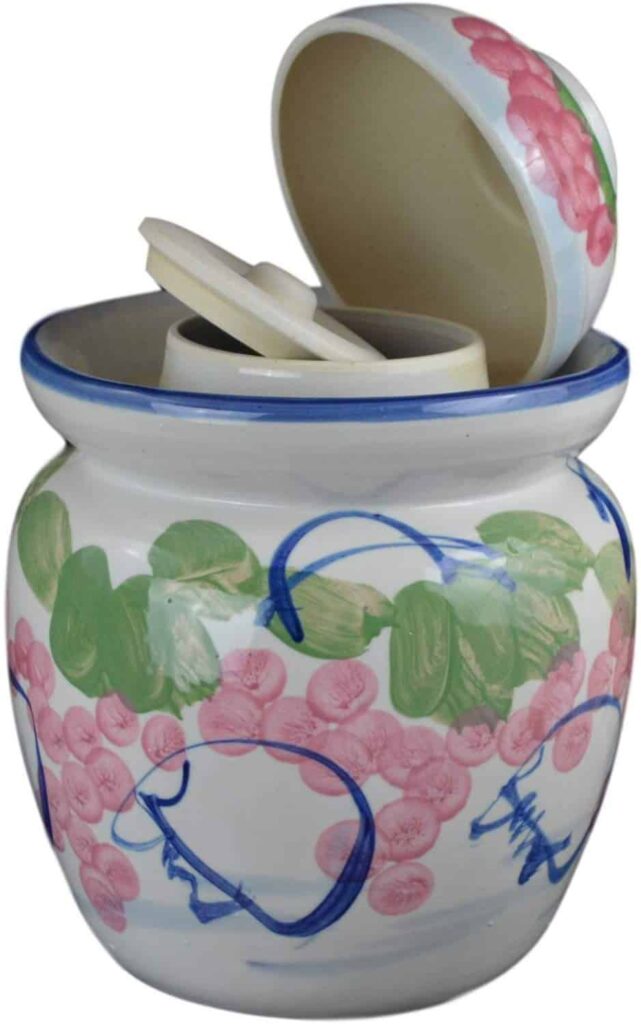
Once jars stop holding enough, crocks take over. A good stoneware crock holds a serious batch of sauerkraut, keeps the temperature steady, and honestly just feels right to use.


Sauerkraut FAQ
Do I have to use a starter or vinegar? No, and please do not. Real sauerkraut comes from lacto-fermentation; the bacteria on the cabbage make their own acid. Vinegar is for quick fake kraut, and a starter is unnecessary at best.
How salty should the brine taste? Salt to taste as you layer, then trust the massage: when the cabbage tastes pleasantly seasoned rather than aggressively salty, you are close. The ferment mellow things further.
Is white fuzz on top mold? Look closely before you panic. Pale fuzzy threads right at the surface in the first days are often root hairs from the cabbage itself, and they vanish once the jar settles. Actual mold is usually colored (green, black, pink) and slimy. If it is mold above the brine, scoop generously past it; if the ferment smells rotten rather than sour, compost it and start fresh. Cabbage is cheap.
How long does homemade sauerkraut keep? Refrigerated, for months. It keeps slowly souring as it sits, which some of us consider a feature.
More Power Foods to ferment and grow
Once your first jar of sauerkraut is bubbling happily on the counter, the rest of the fermenting world opens up. Try our simple vegetarian kimchi recipe, the fermented pineapple drink tepache, or the fermenting books we recommend for making your own probiotics at home. And if you want to grow some of what you ferment, our guides to sunflower sprouts and microgreens are the place to start.


