

Learning to make your own probiotics at home changed the way our kitchen works. A few years ago my wife brought home a head of cabbage, a mason jar, and a skeptical attitude. Three days later we had sauerkraut, and I have not bought a jar of the store stuff since. Fermenting foods is easy, good for you, and honestly kind of fun once you get over the idea of food sitting on your counter on purpose.
Fall in love with fermenting.

Once you begin fermenting your own foods at home, you will want to explore with different ingredients. There are also many fermented foods you come across every day without realizing it. Here are a few foods that you already love and maybe did not know are fermented.

Why make your own probiotics at home?
Because there are ferments all around you already. Beer, cheese, cocoa, kefir, kimchi, kombucha, kvass, miso, pickles, sauerkraut, sour cream, soy sauce, Tabasco, tempeh, vinegar, wine, Worcestershire, and yogurt. Store bought is fine, but when you make your own probiotics at home you decide the salt level, the fermentation time, and the flavor. You also spend pennies where the store charges dollars. Learn best from the experts, with these top fermentation recipe books.
What is fermentation?
There are many definitions of fermentation. Some are informal and some are more scientific. These are the ones you will run into most often:
- Preservation methods for food via microorganisms
- Any process that produces alcoholic beverages or acidic dairy products
- Large-scale microbial process occurring with or without air
- Any energy-releasing metabolic process that takes place only under anaerobic conditions
- A metabolic process that releases energy from a sugar or other organic molecule, does not require oxygen or an electron transport system
Fermenting crocks used around the world
People have been keeping crocks of Kimchi, Sauerkraut, and other ferments long before anyone said the word probiotic. A good crock keeps everything weighted below the brine, which is most of the battle. Our vegetarian kimchi recipe works fine in a plain mason jar, but once you catch the fermenting bug, a crock earns its counter space.

Need a fermenting recipe right now instead of a book? Start with our simple sauerkraut recipe, then try tepache, the fermented pineapple drink. Both are beginner ferments that finish in days, and both will convince you that this hobby is worth the shelf space.
The best fermenting recipe books

We own most of the books below and borrowed the rest from the library before buying. Here is what each one actually does well, in our experience.
Fermented Vegetables by Kirsten and Christopher Shockey

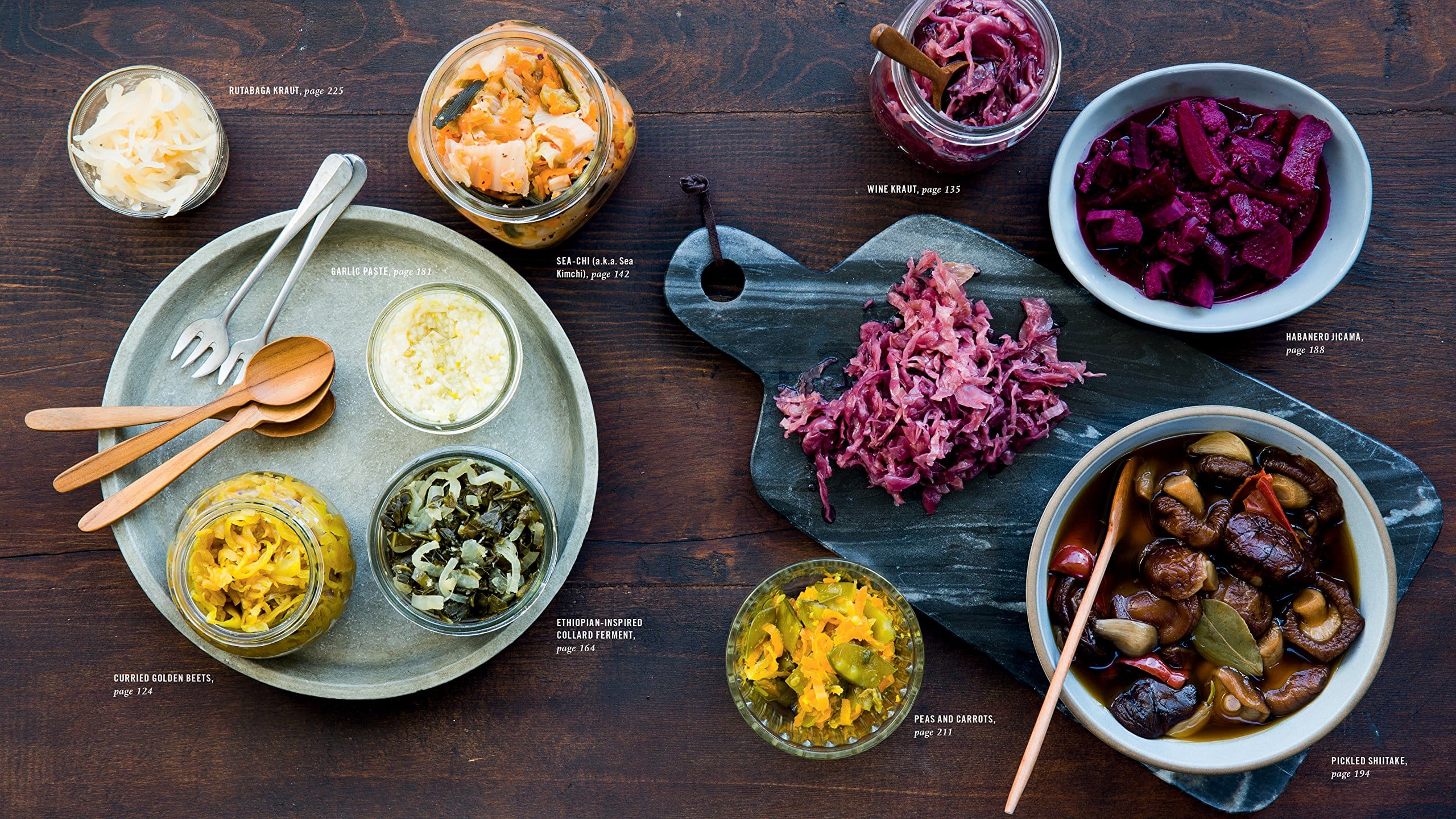
If you only buy one book on this list, this is the one I would hand a beginner. Fermented Vegetables is an easy-to-follow comprehensive guide with more than 120 recipes for fermenting 64 different vegetables and herbs. You learn the basics of kimchi, sauerkraut, and pickles first, then work up to curried golden beets, pickled green coriander, and carrot kraut once your confidence catches up.
The Farmhouse Culture Guide to Fermenting
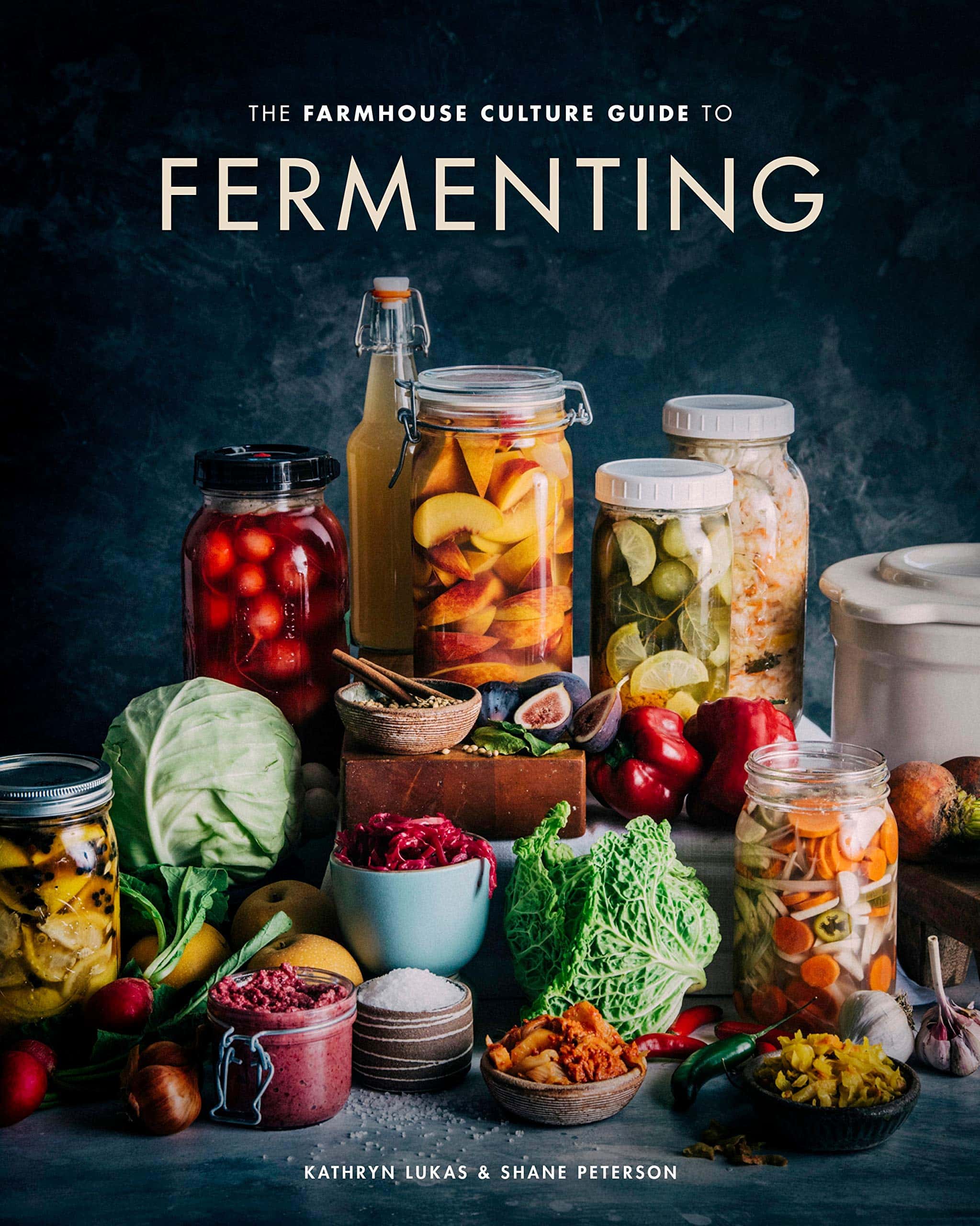
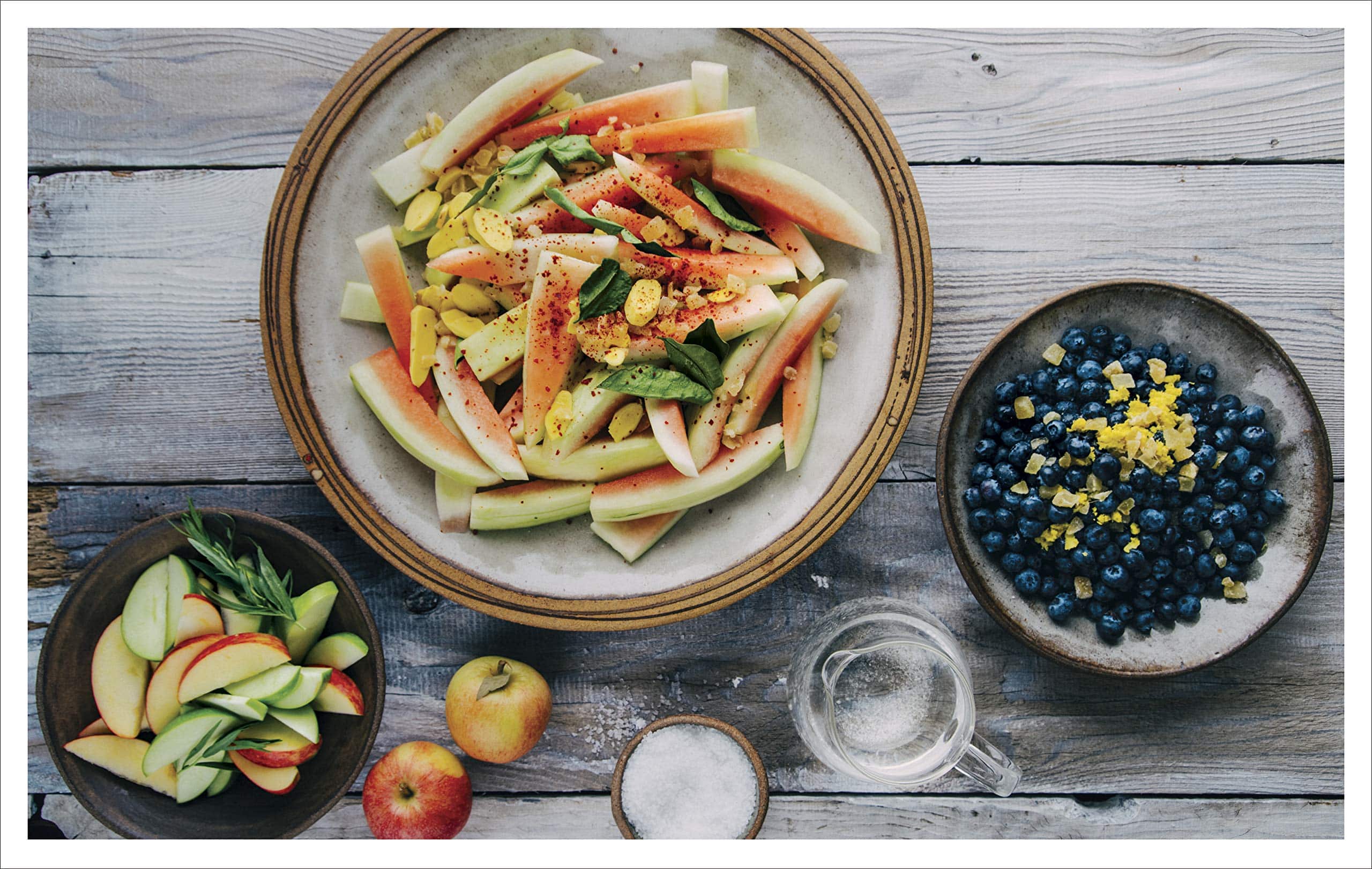
The Farmhouse Culture Guide to Fermenting covers the history and the health information along with the safest methods for preserving, plus 100 recipes for krauts, pickles, kimchi, hot sauces, preserved fruits and jams, kombucha, and even mead. It is the book I reach for when I want to understand why a ferment behaves the way it does.
The Complete Idiot’s Guide to Fermenting Foods
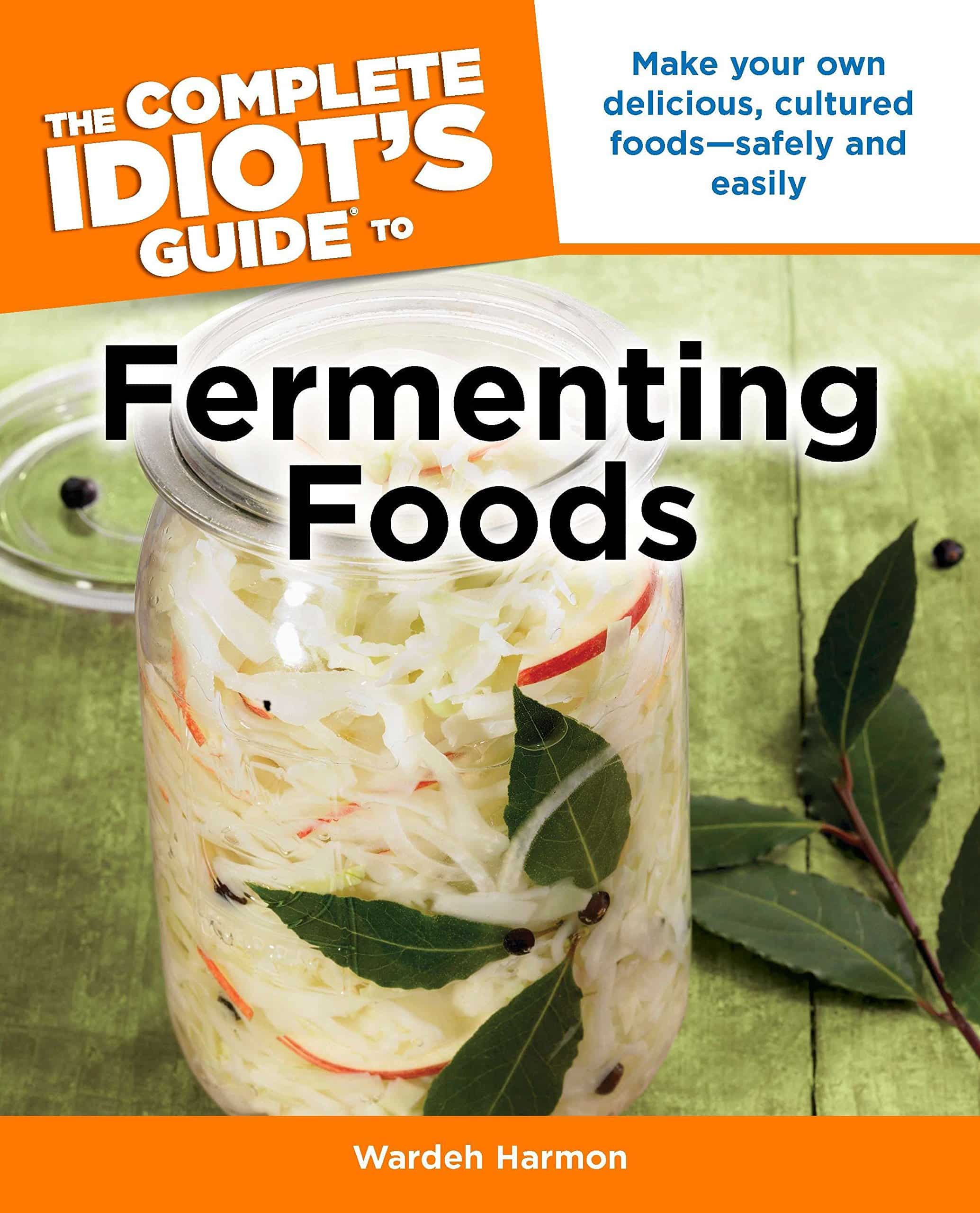
Do not let the title fool you. The Complete Idiot’s Guide to Fermenting Foods shows you how to make your own delicious cultured foods safely and easily, with over 100 recipes covering every type of fermentation you are likely to attempt in a home kitchen.
Fire Cider!

For more than 30 years, best-selling author and popular herbalist Rosemary Gladstar has been touting the health benefits of fire cider, a spicy blend of apple cider vinegar, onion, ginger, horseradish, garlic, and other immune-supporting herbs. Her original recipe, inspired by traditional cider vinegar remedies, has given rise to dozens of fire cider formulas created by fans who use the tonic for everything from colds and flu to leg cramps and hangovers. I make a batch every fall and my wife swears it shortens her colds, though your mileage may vary.

Preserving the Japanese Way

Preserving the Japanese Way was nominated for a 2016 James Beard Award in the International Cookbook category, and it shows. The book introduces Japanese methods of salting, pickling, and fermenting that are approachable and easy to integrate into a Western kitchen. If you love umeboshi, miso pickles, or tsukemono-style vegetables, this is your book.
Fermenting Food Step by Step
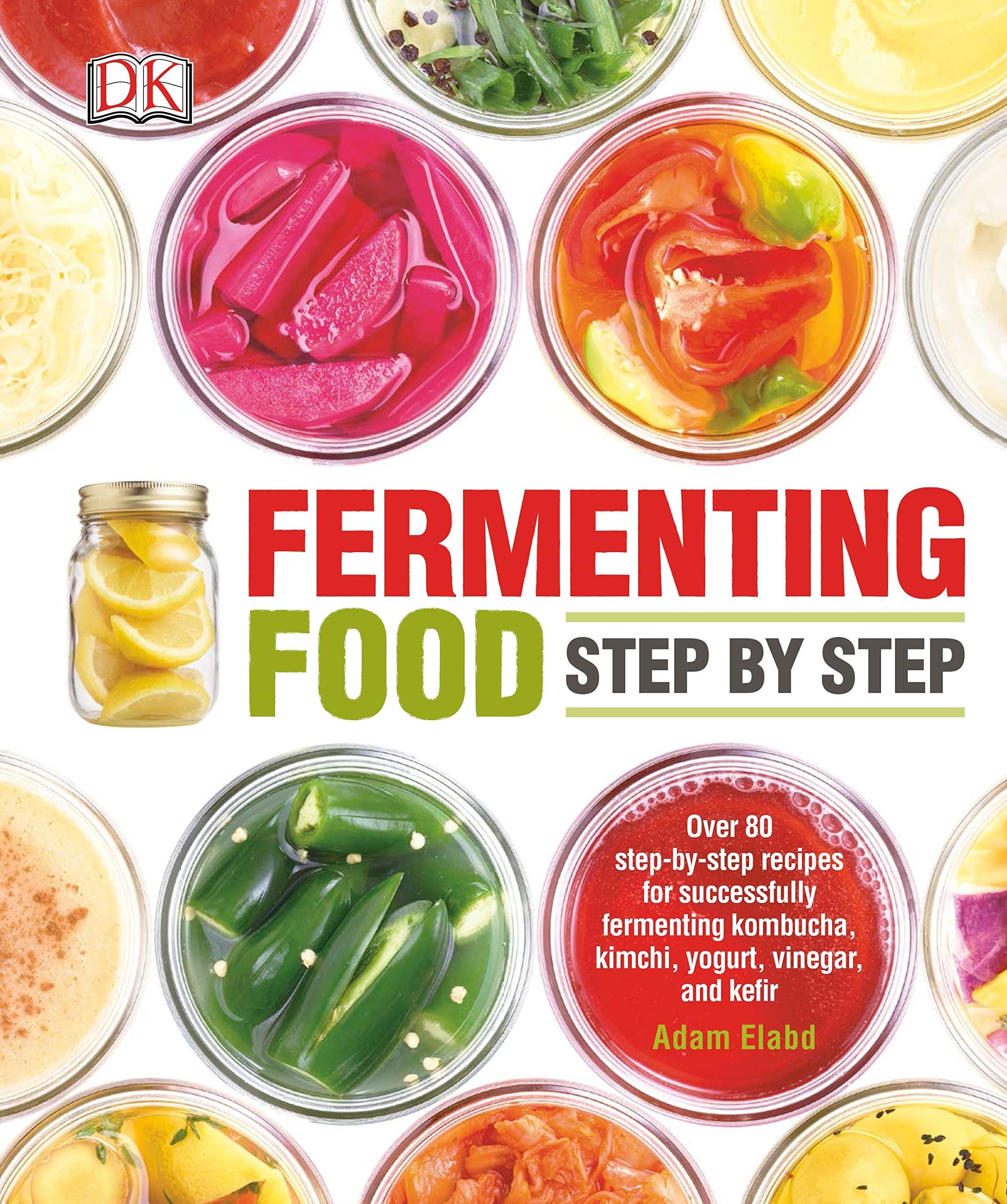
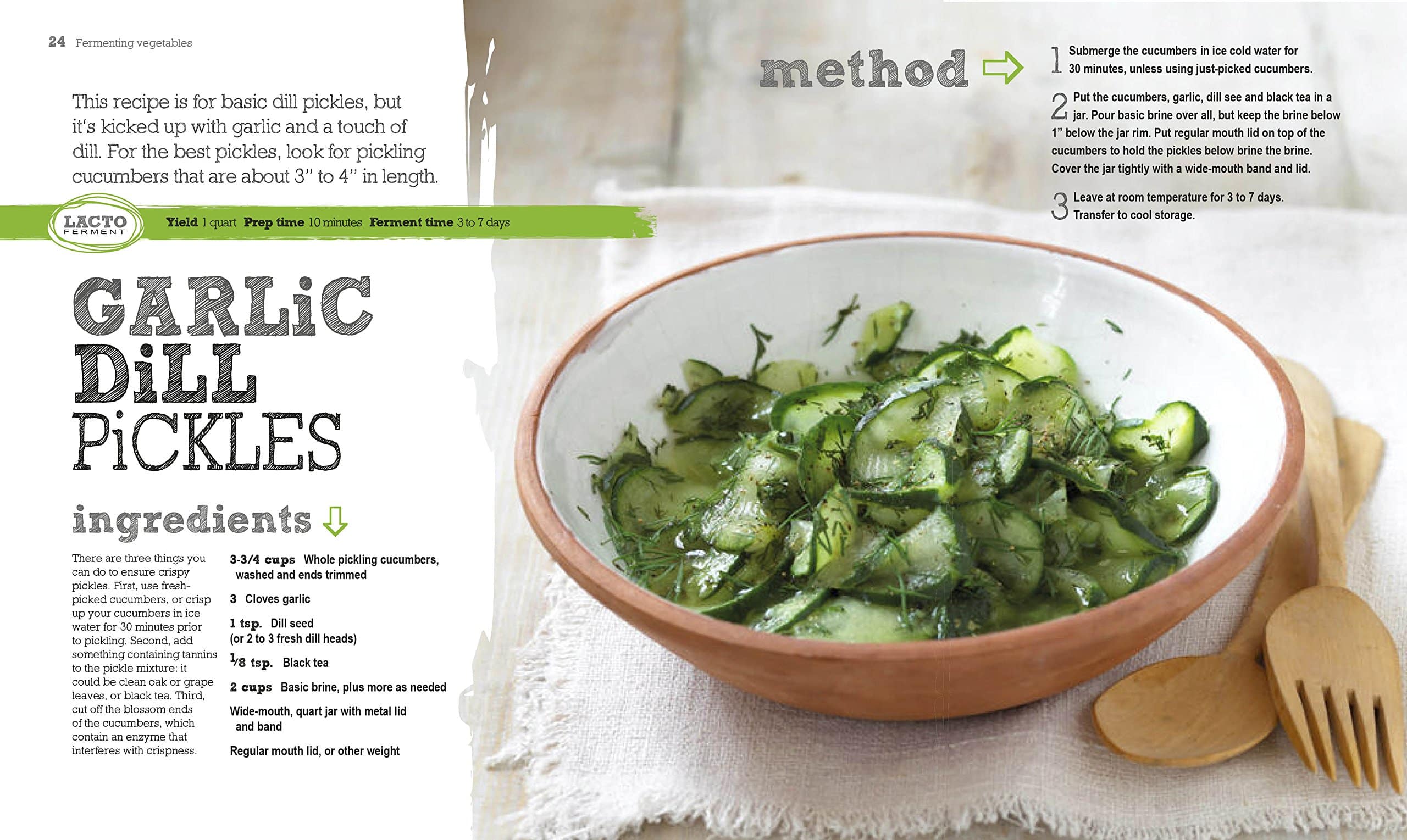
Fermenting Food Step by Step shows you how to master the fermenting process with more than 80 step-by-step recipes, and you pick up the history and the science of fermentation along the way. The photos do a lot of work here. When you have never seen what a healthy ferment looks like on day three, pictures beat descriptions.
Miso, Tempeh, Natto & Other Tasty Ferments
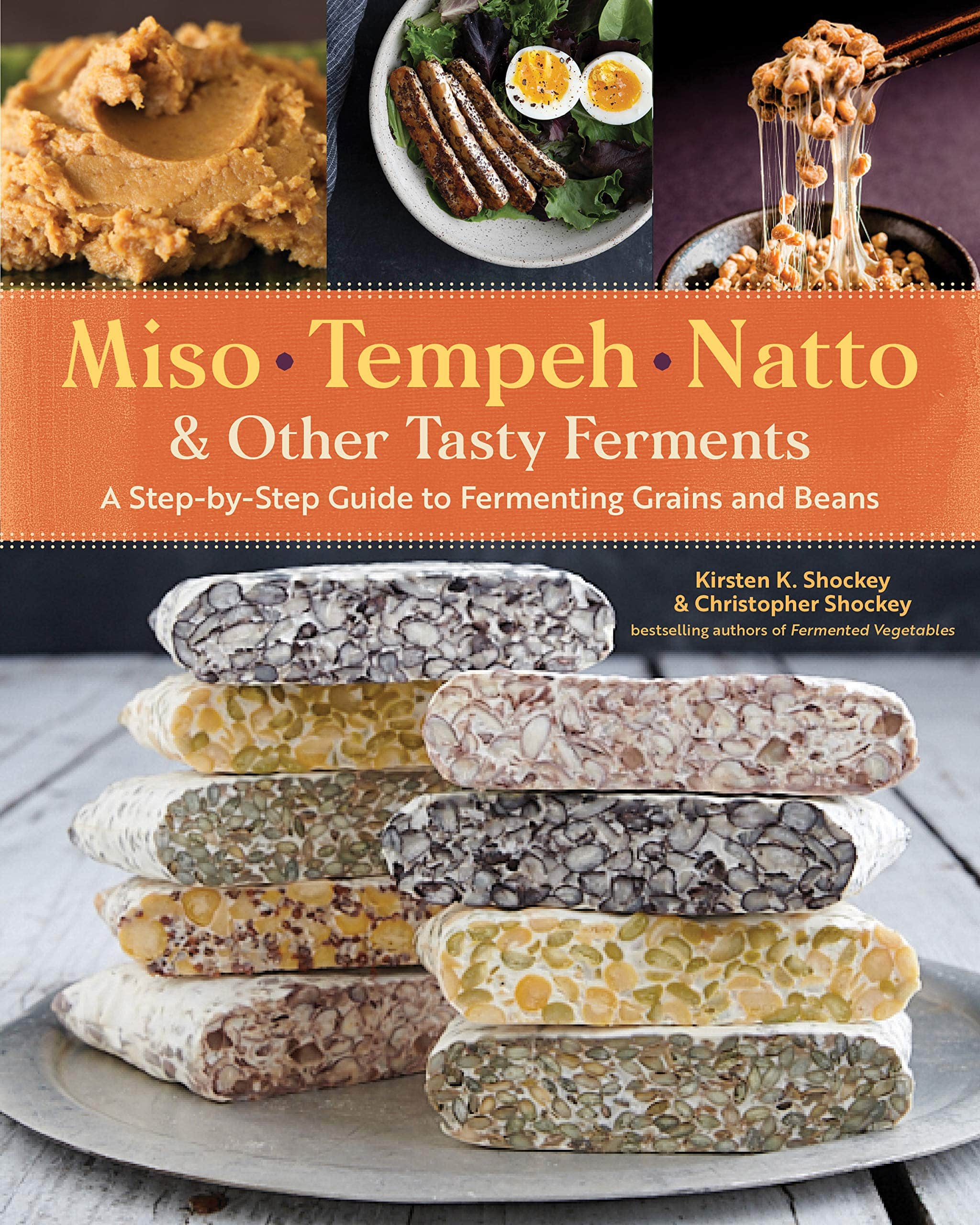
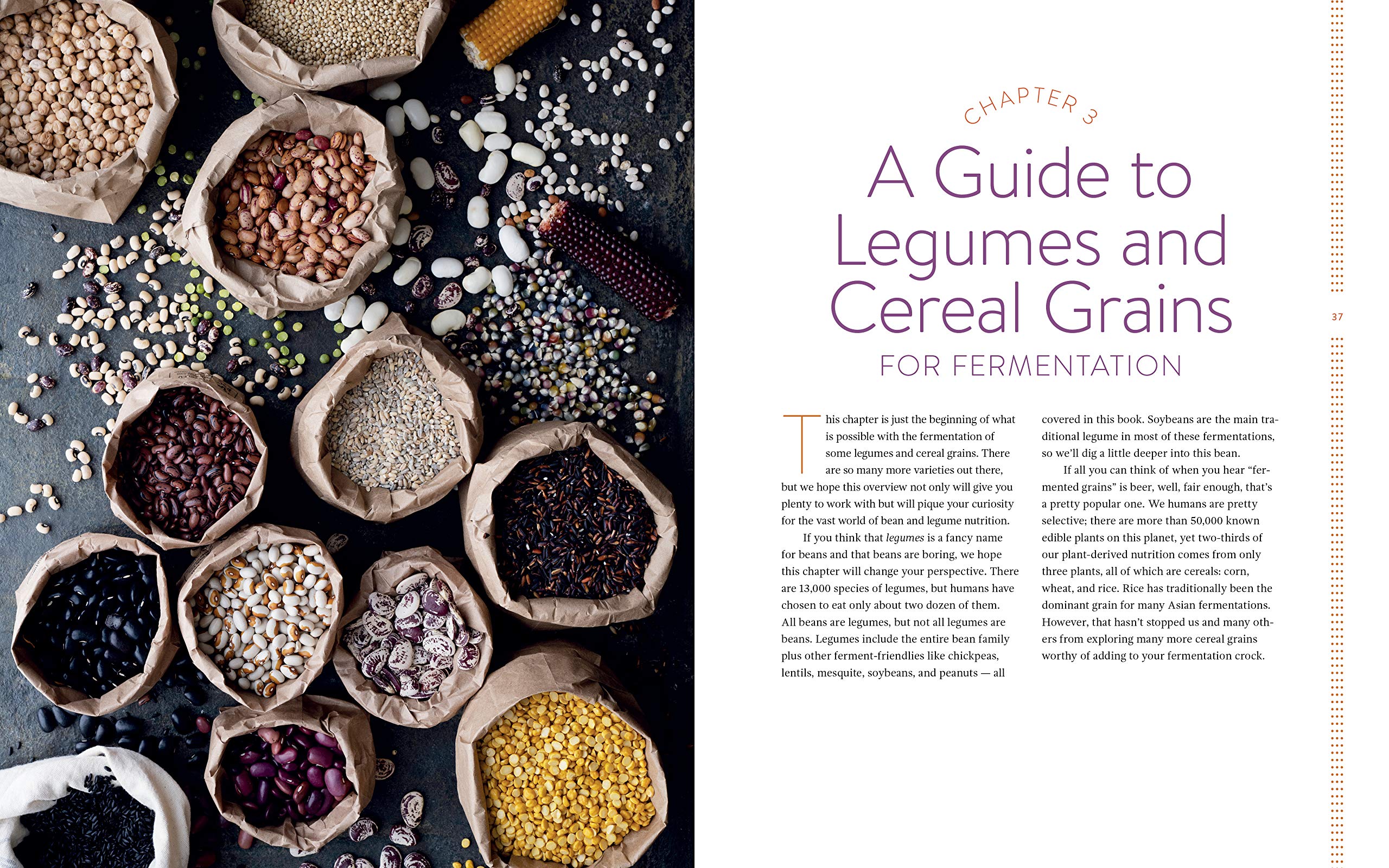
Best-selling fermentation authors Kirsten and Christopher Shockey explore a whole new realm of probiotic superfoods in Miso, Tempeh, Natto & Other Tasty Ferments. This in-depth handbook offers accessible, step-by-step techniques for fermenting beans and grains in the home kitchen. It is the deepest cut on this list, and it is worth it once vegetable ferments feel routine.
The Noma Guide to Fermentation
The Noma Guide to Fermentation was named one of the Best Cookbooks of the Year by the Chicago Tribune, New York Times, Boston Globe, and San Francisco Chronicle, and it spent time as a New York Times bestseller. At Noma, four times named the world’s best restaurant, every dish includes some form of fermentation, whether it is a bright hit of vinegar, a deeply savory miso, a drop of garum, or the sweet intensity of black garlic. Chef René Redzepi and David Zilber, who runs the restaurant’s fermentation lab, share the techniques behind Noma’s pantry of ferments.

The Art of Fermentation by Sandor Katz

Sandor Katz presents the concepts and processes behind fermentation in ways that are simple enough to guide a reader through their first batch of sauerkraut or yogurt, yet in-depth enough to give experienced fermenters a deeper understanding. The Art of Fermentation won the 2013 James Beard Foundation Book Award for Reference and Scholarship and is a New York Times bestseller. It is widely considered the most comprehensive guide to do-it-yourself home fermentation ever published, and I would not argue with that.

Ferment: A Guide to the Ancient Art of Culturing Foods

Ferment: A Guide to the Ancient Art of Culturing Foods, from Kombucha to Sourdough is a gorgeous and inspiring resource for cooks of any skill level. The 120+ recipes cover familiar and lesser-known cultured foods, and the photography alone will make you want to clear a shelf for jars. Cultured and fermented foods are having a revival and are becoming everyday meal mainstays again.
Traditionally Fermented Foods by Shannon Stonger

In Traditionally Fermented Foods, Shannon shows readers how to preserve food using traditional fermentation techniques. As an alternative to canning and freezing, traditionally fermented foods do not require modern technology to keep. This one speaks to the part of me that likes knowing our food would survive a power outage.
Whether you are completely new to fermenting at home or very experienced, we hope you find some inspiration to continue your fermenting adventure. There has never been a better time to make your own probiotics at home.
Make your own probiotics at home: FAQ
Is it safe to make your own probiotics at home? Yes, for the standard vegetable and dairy ferments in these books. People have fermented food safely for thousands of years, and a proper ferment turns acidic fast enough to protect itself. The rules are simple: clean equipment, keep vegetables submerged under the brine, and trust your nose. Anything truly bad smells rotten and looks slimy, and you compost it. Good ferments smell sour and tangy, which is a different thing entirely.
What equipment do I need to start? Less than you think. A mason jar, salt, and a vegetable will get you a batch of sauerkraut this week. A fermentation crock or airlock lid makes things tidier once you are fermenting regularly, but I would rather see you start with a jar tonight than wait on gear.
How long before homemade ferments are ready? It depends on the food and your kitchen temperature. Sauerkraut can be ready in 3 to 7 days, kimchi in about a week, and things like miso take months. Every book above gives exact timelines, and your tongue is the final judge anyway.
Which book should a complete beginner buy first? Start with Fermented Vegetables if you want recipes, or The Art of Fermentation if you want to understand the whole craft first. Between those two, you will rarely need another fermenting book again.
Keep fermenting
Once your jars are bubbling, a few more reads from around the site to round out your Power Foods kitchen:


