What this covers
- 1. Daily Observation Catches Problems Before They Explode
- 2. Healthy Soil Reduces Pest Attraction in a Natural Pest Control Garden
- 3. Companion Planting Confuses and Repels
- 4. Trap Crops Sacrifice One Plant to Save the Rest
- 5. Physical Barriers Stop Pests Without Chemicals
- 6. Beneficial Insects Do the Hunting for You
- 7. Birds Consume Hundreds of Pests Daily
- 8. Insecticidal Soap Kills on Contact
- 9. Neem Oil Disrupts Insect Hormones
- 10. Diatomaceous Earth Destroys Exoskeletons
- 11. Bacillus Thuringiensis Targets Larvae
- 12. Essential Oil Sprays Repel Specific Pests
- 13. Coffee Grounds Deter Slugs and Ants
- 14. Homemade Fermented Plant Sprays
- 15. Accept Some Damage and Move On
- What Works, What Fails, and What to Prioritize
The garden looked perfect in early June. By mid-July, aphids had colonized the kale, flea beetles shredded the arugula, and something unidentified turned the zucchini leaves into lace.S. population, with one study finding a pyrethroid metabolite in more than 70% of samples and chlorpyrifos metabolite detected above the limit of detection in over 90% of children’s urine samples—but the question was what actually works in a natural pest control garden when you refuse to use them.
Natural pest control garden methods are not all created equal. Some deliver results within days. Others take a full season to establish. A few do nothing but waste time and money.
1. Daily Observation Catches Problems Before They Explode
Five minutes a day prevents five hours of crisis management later.
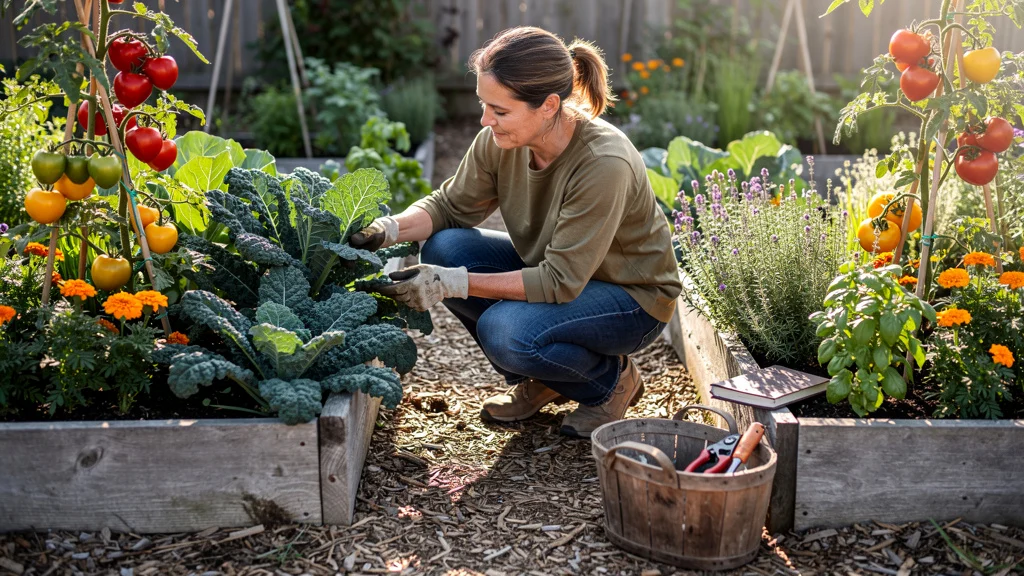
According to one gardening guide, checking under leaves, examining stems, and looking for signs like yellowing, curling, holes, eggs, sticky residue, or wilting can catch pest problems early before they become full infestations. The advice is simple, but it works because most pests do not appear overnight. They build slowly, and a cluster of aphids on one leaf is easier to manage than a colony covering an entire plant. This is one of the most underrated natural pest control garden strategies, and it costs nothing but attention.
2. Healthy Soil Reduces Pest Attraction in a Natural Pest Control Garden
Pests are not random.
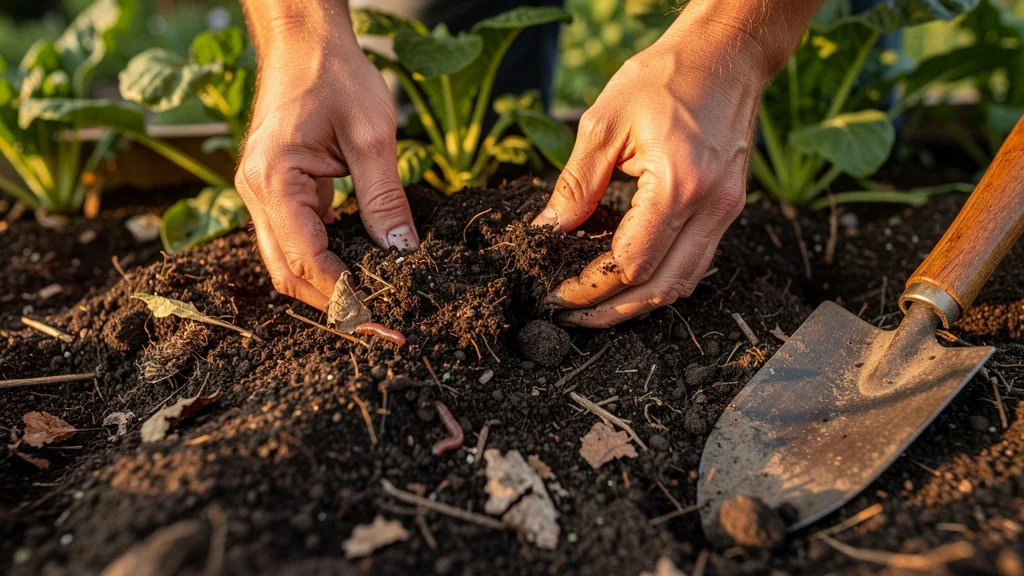
Stressed plants can release a chemical signal that is instantly detected by insects. The signal can trigger a pest to follow the chemical scent emitted by the stressed plant. While stressed plants can release chemical signals that recruit beneficial microorganisms by changing the root exudate composition, the same exudates can be used by belowground pathogens and pests for chemical detection of stressed plants. The first step in integrated pest management is to maintain healthy soil by testing for soil health, mulching, adding organic matter, and proper watering. Healthy soil and stress-free plants are not quickly obtained, but rather through a long-term investment. A healthy plant does not call dinner for all of the insects in the area.
3. Companion Planting Confuses and Repels
Biodiversity is a weapon.
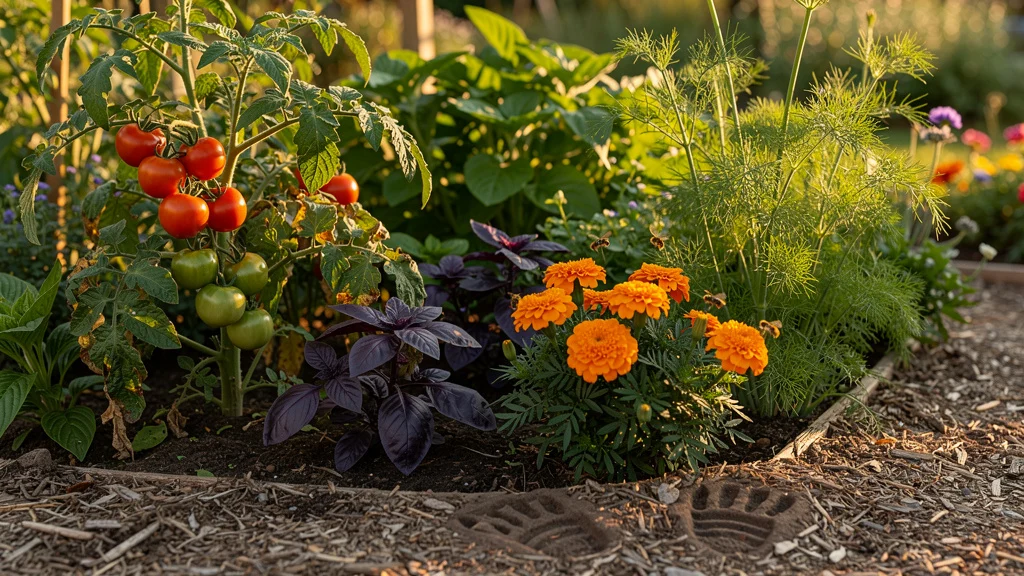
For intercropping, a guide to the practice says that by introducing biodiversity to your garden, pests are confused by the mass of different scents that plants release into the air, while beneficial insects like bees are not harmed by these smells. Some plants release scents that repel insects in the first place. A University of Florida website lists lavender, marigolds, citronella grass, catmint, rosemary, basil, mint and sage as examples of plants that can help keep mosquitoes and other pests away from outdoor spaces.
While the evidence for companion planting is more compelling for confusion than for repulsion, a natural pest control garden is a mixed, diverse bunch of plants and is so easily able to be confused by a pest trying to find its preferred monoculture.
In addition to providing food for beneficial insects, flowers and herbs can also be used to create habitat for beneficial insects. A resource on vegetable gardening lists dill, fennel, parsley, thyme, basil, marigolds, sweet alyssum, nasturtiums and calendula as examples of flowers and herbs that can be planted throughout the vegetable garden to create habitat for beneficial insects like ladybugs, lacewings and hoverflies. These plants are part of the garden’s infrastructure and allow it to function as a system of predators rather than a system that uses poison.
4. Trap Crops Sacrifice One Plant to Save the Rest
Not every plant in the garden has to survive.
One gardening article describes trap crops like nasturtiums, dill, and radishes as plants that lure pests away from valuable crops, drawing pests in and distracting them from harming surrounding plants. If trap plants become overrun with pests, the guide advises removing them and adding them to the burn pile. This is strategic loss. You plant something pests prefer, let them feast, then pull the whole mess out before they spread. It works best when you know which pests target which crops, and one community report noted that some pests selectively target certain crops while leaving others untouched, with zucchini seedlings being eaten from the edges while beans planted three weeks earlier remained unaffected.
5. Physical Barriers Stop Pests Without Chemicals
Sometimes the simplest solution is a wall.
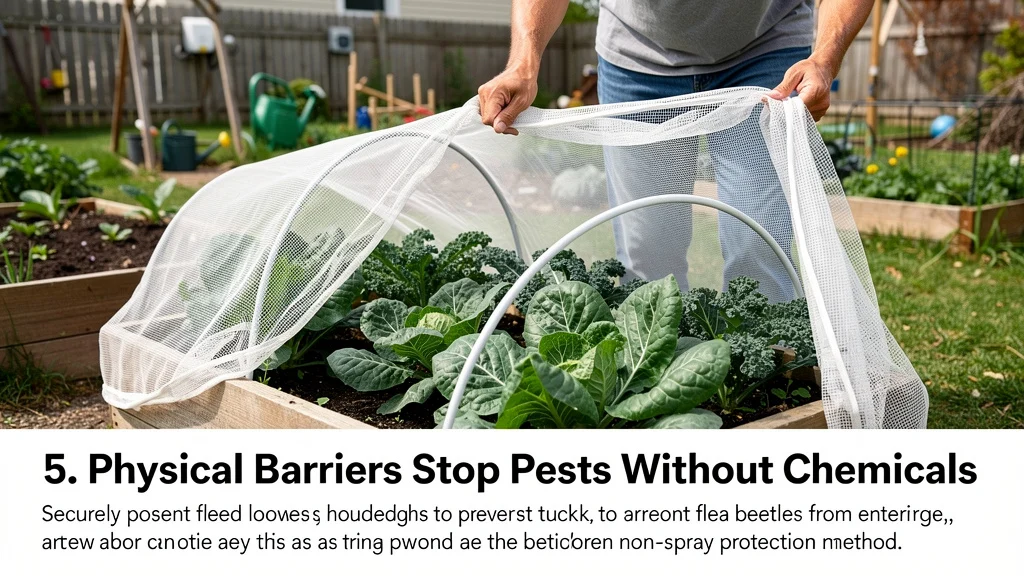
One North Idaho gardener reported that flea beetles are a major problem for brassicas, and insect netting with row covers has proven to be the most reliable protection method without spraying. Another resource notes that physical barriers like insect netting can protect plants from hosting pests and cut off pest populations from becoming localized to your garden. Row covers are not elegant, and they add labor every time you need to water or harvest, but for pests that destroy crops faster than any spray can stop them, a barrier is the only natural pest control garden method that guarantees results.
6. Beneficial Insects Do the Hunting for You
Ladybugs are not decorative.
Biological pest control uses living organisms to kill pests. This can include predators (ladybugs, mites), parasitoids (aphelinid wasps, tachinid flies), and pathogens (Bacillus thuringiensis bacteria) which kill pests. For example, green lacewing larvae are beneficial insects that can be purchased and released into your garden. The larvae feed on a variety of pests including spider mites, aphids, thrips, scales and small caterpillars. Keeping beneficial insects around for any length of time requires providing them with habitat, and that is where companion planting and creating biodiversity in your garden comes in.
One resource lists water spray as the first intervention to control aphids followed by insecticidal soap if necessary. And in the long term, of course, encourage natural predators like ladybugs, lacewings, hoverflies and wasps. Surprisingly, the simple water spray is free, instant and often enough to deal with small outbreaks.
7. Birds Consume Hundreds of Pests Daily
A garden without birds is a garden doing pest control the hard way.
One resource reports that birds provide significant natural pest control by eating harmful insects including caterpillars, beetles, grasshoppers, mosquitoes, earwigs, moths, aphids, and whiteflies, and depending on species, one bird can consume hundreds or thousands of insects daily, reducing the need for pesticides. Attracting birds requires water, shelter, and native plants that provide seeds and nesting sites. This is another long-term natural pest control garden strategy, but once birds establish a routine in your yard, they work every day without supervision.
8. Insecticidal Soap Kills on Contact
Soap is not harmless, but it is not a synthetic pesticide either.
One homesteading guide describes a DIY insecticidal soap spray made by mixing one teaspoon of dish soap with one pint of water and shaking well before application, effective on aphids, mealybugs, whiteflies, and spider mites through direct contact but not as a long-term preventative. The soap works by breaking down the insect’s protective coating, but it also kills beneficial insects if you spray indiscriminately. Insecticidal soap is a reasonable middle step when water alone fails and you are not ready to lose the crop, but it is not a substitute for prevention.
9. Neem Oil Disrupts Insect Hormones
Neem oil is popular, but it is not without trade-offs.
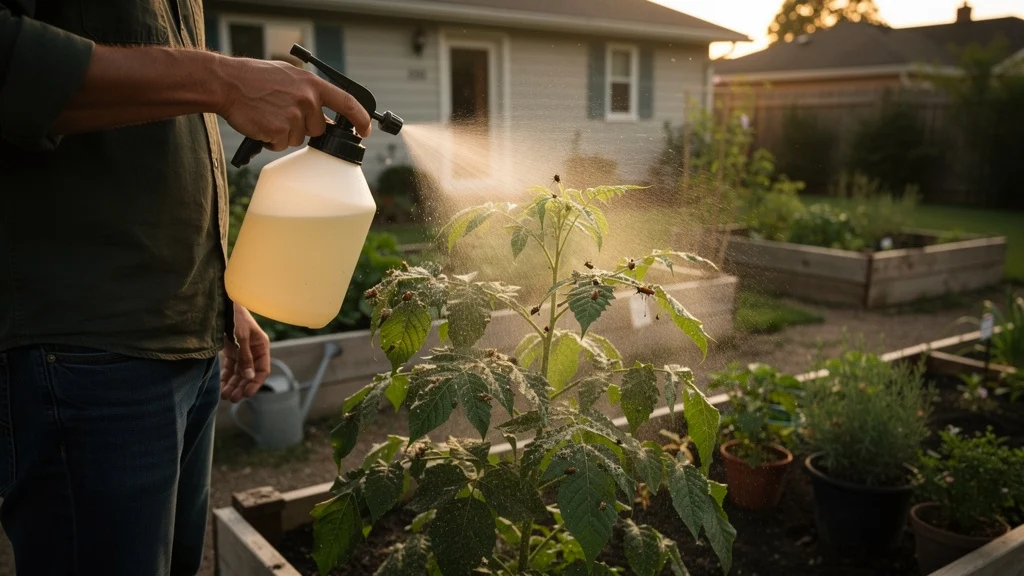
One resource notes that neem oil should be applied in the evening rather than during the day to minimize harm to beneficial insects, and while it works as both an insecticide and fungicide by suffocating insects and disrupting their hormones, it can kill beneficial insects if not used carefully. Neem oil is derived from a tree, so it is natural in origin, but natural does not mean safe for everything in the garden. Timing matters, and so does restraint. This is not a spray-and-forget solution for natural pest control garden problems.
10. Diatomaceous Earth Destroys Exoskeletons
Diatomaceous earth is sharp at a microscopic level.
One guide explains that diatomaceous earth works by destroying the exoskeletons of hard-shelled insects and dehydrating them, with particular success reported against ants, but it should never be applied on windy days and requires careful application to avoid lung tissue damage if inhaled. This is a physical killer, not a chemical one, but it is indiscriminate. It will harm beneficial insects as readily as pests. Diatomaceous earth is best used in targeted spots, not broadcast across the entire natural pest control garden, and only when you can apply it without breathing it in.
11. Bacillus Thuringiensis Targets Larvae
Bt is a bacteria, not a synthetic chemical, but it is not without controversy.
Bacillus thuringiensis kurstaki (Btk) controls leaf-eating caterpillars by rupturing their guts after ingestion and is one of the safest natural pesticides for vegetables without harming most beneficial insects. Beneficial insects such as honeybees, lady beetles, lacewings, and earthworms are not harmed by Bt, which does not harm beneficial insects like bees, lady beetles, or parasitic wasps that lack the specific gut receptors to activate Bt proteins. Studies show using Bt in the garden is perfectly safe for humans. The only beneficial insect that Bt harms is butterfly larvae, and one strain (Bta) can potentially hurt honeybees.
Transgenic Bt crops have been commercialized to protect against major pests, but some target pests have gradually developed resistance with long-term cultivation. The bacteria itself, applied as a spray, only works on caterpillars and larvae that eat treated leaves. If you are dealing with beetles or aphids, Bt will do nothing. For cabbage worms and tomato hornworms, it is one of the most effective natural pest control garden options available.
12. Essential Oil Sprays Repel Specific Pests
Essential oils are not a cure-all, but they have targeted uses.
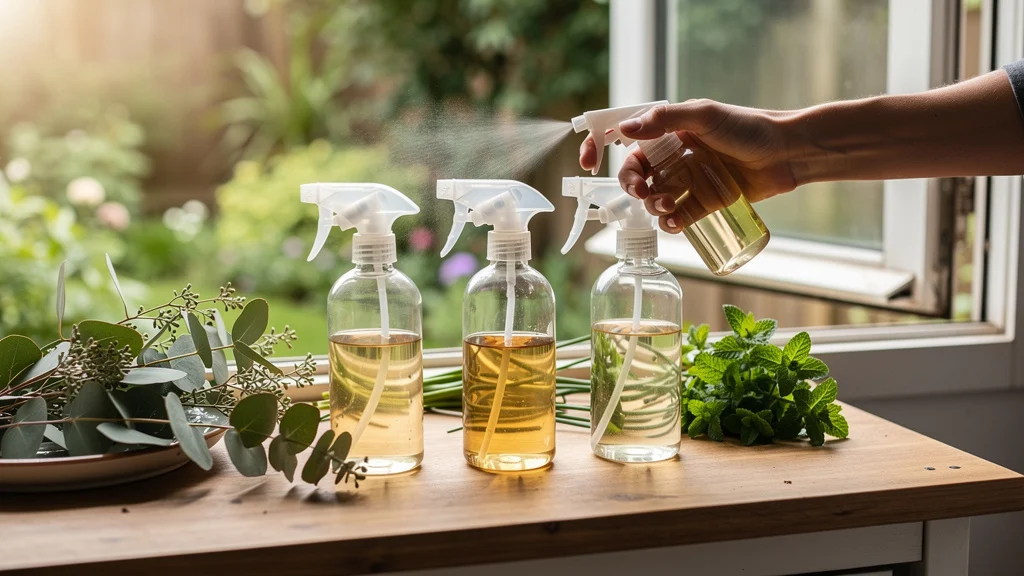
University of Florida researchers suggest using essential oils to repel natural pests by mixing with water in a spray bottle. Eucalyptus repels flies and roaches, citronella repels mosquitoes and peppermint repels ants and spiders. The repulsive effects of essential oils last only a short time and must be reapplied after rainfall or heavy irrigation. Although effective for certain pest problems, essential oils are not a substitute for more systemic methods for controlling garden pests, such as improving soil health or using companion planting.
13. Coffee Grounds Deter Slugs and Ants
Used coffee grounds have a second life in the garden.
One University of Florida resource describes a method where coffee grounds can be reused as a natural pest repellent against ants, slugs, and snails by brewing the grounds twice, then cooking them in a dry pan until dry, cooling them, and sprinkling around problem areas like garden vegetables and doorways. The process is more involved than tossing wet grounds on the soil, but gardeners report that the dried, concentrated grounds are more effective. This is a low-cost natural pest control garden method if you drink coffee anyway.
14. Homemade Fermented Plant Sprays
Some gardeners make insecticide from weeds.
A community discussion post described making a homemade insecticide by decomposing plant leaves in cold water and then straining the resulting liquid into a bottle to use. But, the post did not provide clear information about which plants work best for this method or how long the leaves need to decompose. The post also lacked controlled information to compare this method with using soap or neem to control pests. So, this is something to try if you have the time and are curious but not something to rely on for serious pest problems.
15. Accept Some Damage and Move On
Not every hole in a leaf is a crisis.
One resource emphasizes that organic sprays and natural pesticides can still harm beneficial insects and disrupt soil life, even though they are not synthetic chemicals, and they should be used only as a last resort when pest pressure is high enough to risk losing the crop. This is the hardest natural pest control garden lesson to internalize. A few aphids on the kale will not kill the plant. A handful of flea beetle holes in the arugula does not make it inedible. The goal is not a pristine garden. It is a productive one that does not require a hazmat suit to harvest.
The trade-off to consider is some cosmetic damage to food in return for it not being coated with chemical-laden pesticides and fungicides. If this trade-off is not something you are willing to accept than using these methods will feel like you are constantly compromising. But if it is something you are willing to consider then most of these methods become do-able.
What Works, What Fails, and What to Prioritize
Not all of the above methods are of equal value or effort. Some methods, like daily observation of pests and beneficial insects, healthy soil and companion planting, form a good basis for gardening. Physical and beneficial insects need commitment. Sprays like soap, neem and other essential oils are mainly of a temporary nature to give time to solve problems.
When starting a natural pest control garden from scratch, focus on establishing healthy soil and getting familiar with the garden in the first growing season. Add companion plants and trap crops in the second season. Install physical barriers or introduce beneficial insects to tackle specific pests that become a problem again and again. Use sprays to prevent the loss of a specific crop that you are willing to grow in extreme circumstances. This approach creates a more strong system with each passing year as opposed to a cycle of crisis management.
Most mistakes of gardeners using natural pest control in their garden stem from the false assumption that such methods can be used one to one as alternative to synthetic pesticides. Using natural pest control garden methods needs more knowledge, more time and a greater understanding of nature’s imperfect ways. But – oh boy! – there’s nothing that tastes as good as home grown produce and you never have to wonder whether you’ve washed off pesticides or not. The natural pest control garden can be so much more interesting when there’s more life than silk in it and it’s not controlled like a sterile greenhouse.
Related reading: Why Eat Microgreens ? | 7 Essential Steps: How to Use Mushroom Growing Bags